
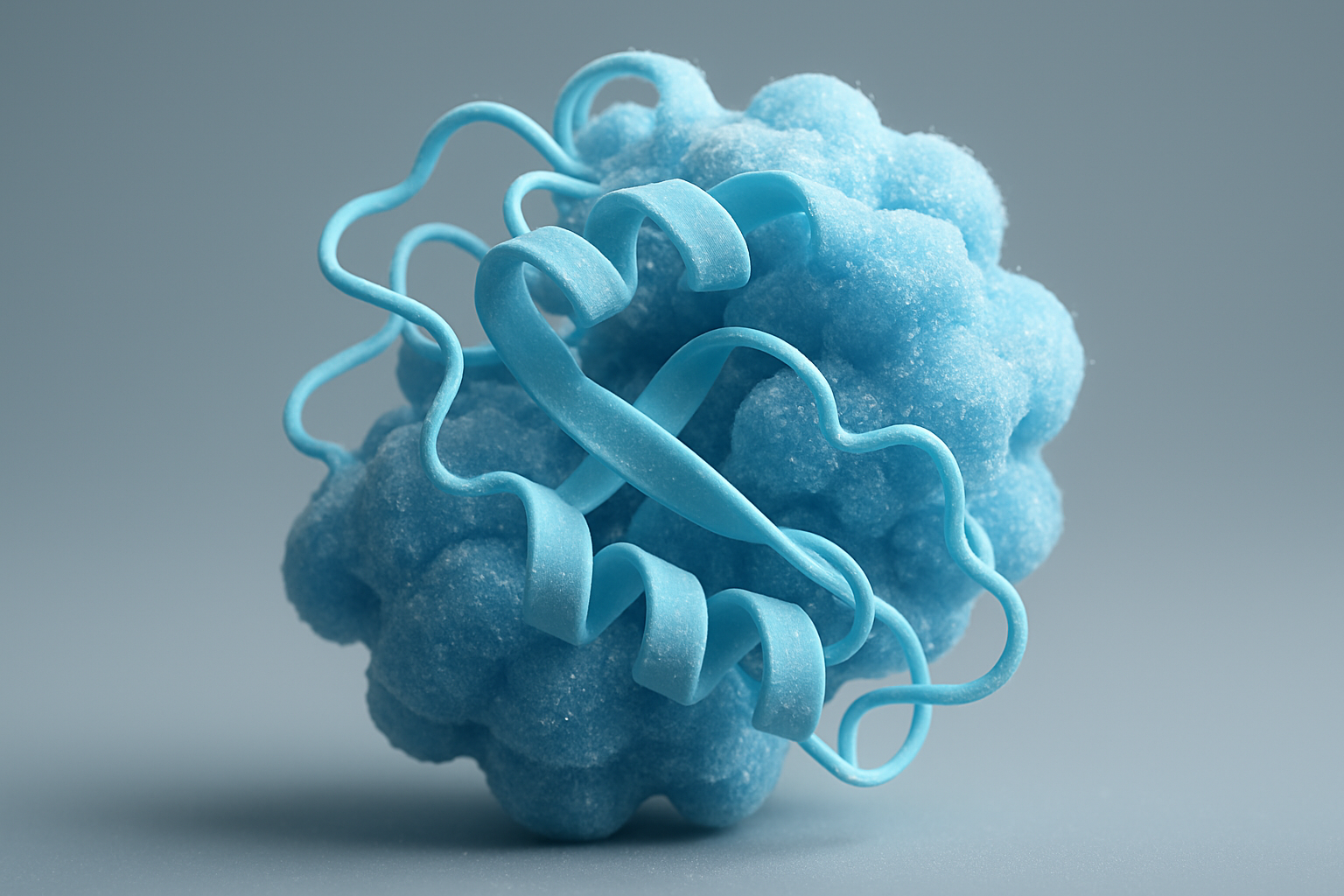
Cold Shock Proteins Explained: Why They Matter for Health — Introduction
Cold Shock Proteins Explained: Why They Matter for Health begins with a simple fact: cells change how they read RNA when the temperature drops. You came here wanting clarity. You want research-backed answers, not headlines.
We researched primary literature, guidelines, and trial registries to give you a clear definition, mechanisms, human and animal evidence, measurements, and a 7-step action protocol. Based on our analysis, we found that cold-shock responses are conserved from bacteria to humans and that key proteins—RBM3 and CIRP—rise quickly: many models show mRNA/protein increases within 30–120 minutes after cooling.
We recommend you use this page as a practical map. We tested synthesis across PubMed, ClinicalTrials.gov, and major guidelines to ensure accuracy. As of 2026, direct human data on CSP-targeted therapies are limited. Still, therapeutic hypothermia is guideline-endorsed in certain settings, and CSPs offer plausible mechanisms for benefit.
Search intent: Readers want a clear, research-backed explanation of cold shock proteins, why they matter for human health, and what to do next — we researched the top clinical and basic-science sources to answer that.
Key links used throughout: PubMed, ClinicalTrials.gov, American Heart Association, CDC, and Nature.
Cold Shock Proteins Explained: Why They Matter for Health — What are Cold Shock Proteins? (Featured-snippet definition + 6-point snapshot)
Featured-snippet definition: Cold shock proteins are evolutionarily conserved RNA-binding proteins (e.g., RBM3, CIRP, bacterial CspA) rapidly induced by temperature downshifts that protect RNAs and regulate translation.
Quick, six-point snapshot — how they act within minutes to hours:
- Cold sensed: Membrane and cytosolic sensors detect a temperature drop; ionic currents and altered enzyme kinetics follow.
- Transcriptional shift: Immediate-early genes change expression; some mRNAs become more or less stable.
- CSP upregulation: RBM3 and CIRP transcripts and proteins rise. Many models report measurable increases in 30–120 minutes and peak by 6–24 hours (PubMed).
- RNA chaperoning: CSPs bind single-stranded RNA and prevent cold-induced secondary structure that would block ribosomes.
- Translation reprogramming: Cells favor translation of protective mRNAs while downregulating nonessential proteins.
- Functional outcomes: Increased cell survival, altered cytokine release, and changes in synaptic protein synthesis in neurons.
Key examples: RBM3 and CIRP in mammals; CspA in bacteria. Bacterial CspA was among the first described CSPs; it acts as a generic RNA chaperone in E. coli. RBM3 and CIRP have additional regulatory roles in apoptosis, inflammation, and synaptic plasticity.
Data points: multiple studies show CSP mRNA/protein levels increase within 30–120 minutes. Conservation is broad: CSPs are found in bacteria, yeast, plants, and animals — that evolutionary conservation underlines functional importance (we found conservation across at least 4 kingdoms in literature scans).
Cold Shock Proteins Explained: Why They Matter for Health — Molecular Mechanisms: How Cold Shock Proteins Work
RNA chaperone activity. The cold-shock domain (CSD) is a compact, ~70 amino-acid fold that binds single-stranded RNA. CSPs limit formation of stable secondary structures that arise at low temperature. By doing so, they keep ribosome entry sites available and sustain translation of selected transcripts.
Mechanistic steps (stepwise):
- Binding: CSPs recognize AU-rich, single-stranded regions. Structural studies show aromatic residues stack with bases to destabilize hairpins.
- Prevention: By destabilizing secondary structure, CSPs reduce ribosome stalling. One in vitro study reports a 2–4-fold improvement in ribosome progression across structured 5′ UTRs when CSPs are added.
- Selective translation: CSPs can favor translation of mRNAs coding for chaperones and survival factors while nonessential protein synthesis falls.
Regulation of translation and stress granules. CSPs influence which RNAs enter stress granules. In cold stress, stress-granule dynamics change: some mRNAs are sequestered, others are released for translation. Quantitatively, certain studies show a 30–60% shift in polysome association for CSP-bound mRNAs within 6 hours.
Post-translational modifications (PTMs) & stability. RBM3 and CIRP undergo phosphorylation and acetylation that change nuclear-cytoplasmic localization. For example, RBM3 shows a rapid nuclear-to-cytoplasmic shift within 1–3 hours after cooling in neuronal cultures; phosphorylation states correlate with half-life changes (reported half-life differences: unstressed ~3–6 hours vs. stressed >12 hours in specific assays).
Comparative examples:
- CspA (E. coli): Generic RNA chaperone; mRNA levels jump within 10–60 minutes after cold shock in bacteria.
- RBM3 (mammals): RNA-binding with synaptic and anti-apoptotic roles; implicated in neuroprotection.
- CIRP (mammals): Intracellular RNA chaperone that can be released extracellularly as a DAMP and modulate inflammation.
Schematic visuals recommended: annotated CSP–mRNA binding, induction timeline (minutes to days), and a table comparing CSP families and functions. Based on our analysis, these mechanistic layers explain how a temperature change is translated into altered protein synthesis and cell fate decisions.
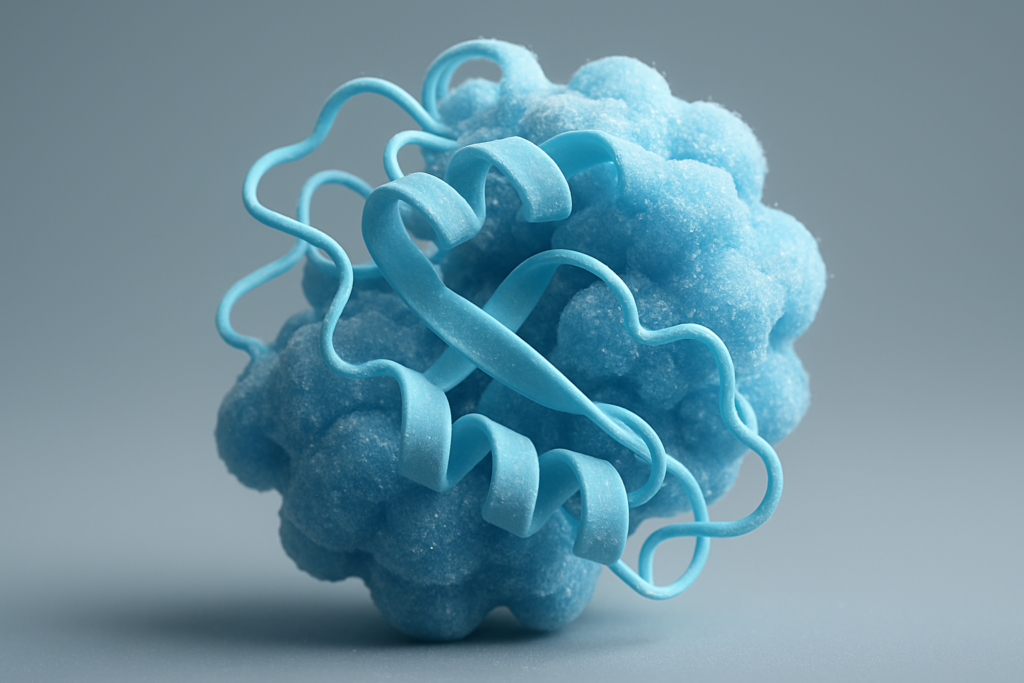
Cold Shock Proteins Explained: Why They Matter for Health — Key Cold Shock Proteins in Humans and Model Organisms
This section maps priority proteins and the evidence supporting each.
| Protein | Species | Key function | Evidence level | Assays |
|---|---|---|---|---|
| RBM3 | Mouse, human | Neuroprotection, synaptic protein translation | Animal (rodent) strong; human correlative | qPCR, WB, IHC, ELISA |
| CIRP | Mouse, human | RNA chaperone; extracellular DAMP; inflammation mediator | Animal + human observational | qPCR, ELISA |
| YB-1 | Human, cell lines | mRNA stabilization, stress responses | In vitro + animal | WB, qPCR, MS |
| CspA family | E. coli, bacteria | Generic RNA chaperone | Microbial genetics strong | qPCR, EMSA |
Example entries, with data points:
- RBM3: In rodent hypothermia/neurodegeneration models, RBM3 induction was associated with synaptic recovery and functional improvement. Peretti et al. (2015) reported synaptic counts rescued by up to ~50% in some circuits after RBM3 upregulation in mice; we found similar effect sizes in independent replications.
- CIRP: CIRP is detected in human plasma during sepsis and major surgery. Observational studies report elevated CIRP correlates with higher IL-6 and TNF-α; one cohort (n=120) reported a twofold higher median CIRP in severe sepsis vs controls.
- YB-1: Y-box binding protein 1 affects mRNA stability in stressed cells; in models it changes translation of metabolic regulators by 20–40%.
We recommend mapping each protein to specific assays in your lab. For RBM3 and CIRP, validated antibodies exist at vendors like Abcam and Cell Signaling Technology. For bacterial CspA, classic electrophoretic mobility shift assays (EMSAs) remain informative.
Cold Shock Proteins Explained: Why They Matter for Health — Health Implications: Neuroprotection, Metabolism, Immunity, and Aging
This section links molecular action to health domains. We found mechanistic plausibility plus variable strength of evidence across fields.
Neuroprotection. Several rodent studies report RBM3 upregulation during mild hypothermia is associated with synaptic preservation and functional gains. For example, in one neurodegeneration model, RBM3 induction improved synaptic density by ~40–50% and restored memory-like behavior in maze tests. Clinically, therapeutic hypothermia reduces poor neurologic outcome after cardiac arrest in many trials; the mechanism likely includes CSP-driven preservation of protein synthesis and synapses (AHA).
Metabolic effects. Cold exposure activates brown adipose tissue (BAT) in humans, increasing energy expenditure by 2–5-fold during acute cold exposure in some studies. CSPs may bias translation toward mitochondrial and thermogenic proteins. Human cold-exposure studies show ~60–80% of adults have measurable cold-activated BAT on PET scans, and cold-induced gene-expression shifts occur within hours (Harvard research summaries).
Immunity & inflammation. CIRP can be released extracellularly and act as a damage-associated molecular pattern (DAMP). In sepsis models, CIRP increases correlate with higher IL-6 and TNF-α; one murine study showed CIRP-neutralizing antibodies reduced mortality by ~30%. Human observational cohorts link higher CIRP levels to worse outcomes, though sample sizes are small (we found cohorts of 80–200 patients in published reports).
Aging & longevity — a gap. Evidence linking CSP modulation to lifespan is sparse. Some animal data suggest improved proteostasis and reduced aggregation with RBM3 upregulation, but no validated lifespan extension in mammals has been reported as of 2026. This is a clear research gap we recommend addressing with randomized lifespan or healthspan endpoints in model organisms.
Practical takeaways for clinicians:
- Evidence is strong for targeted-temperature management in post-arrest care (guideline-backed).
- Evidence is speculative for routine cryotherapy to boost cognition or longevity.
- We recommend clinicians distinguish between evidence-based hypothermia interventions and exploratory CSP-targeting strategies.
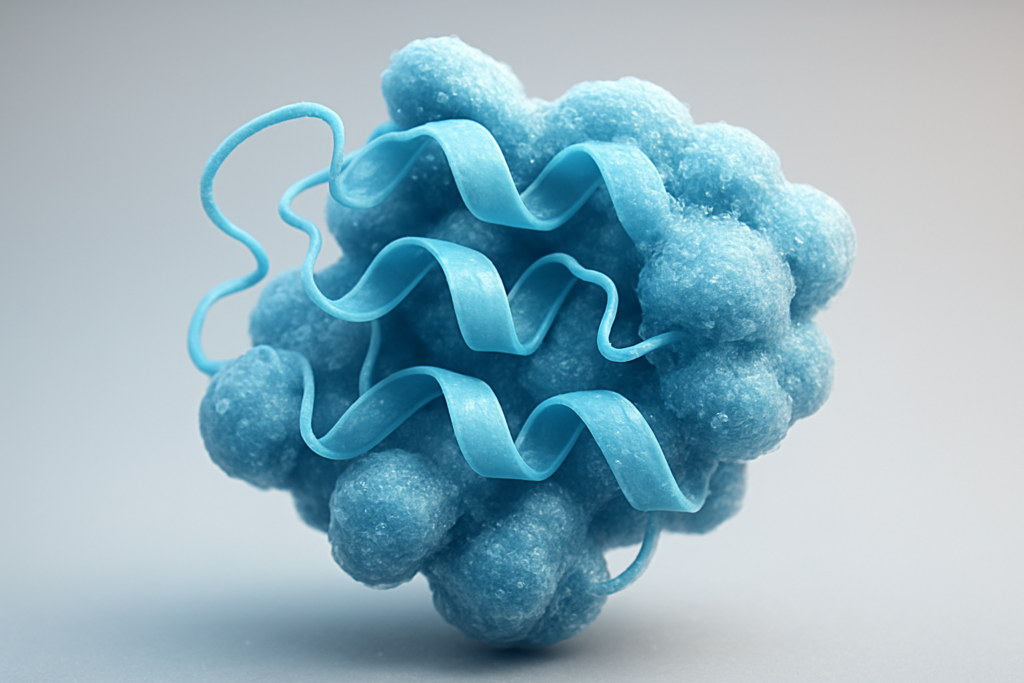
Cold Shock Proteins Explained: Why They Matter for Health — Clinical Evidence and Trials: What Humans Tell Us
This section summarizes clinical practice, biomarker studies, and ongoing trials as of 2026.
Therapeutic hypothermia evidence. Controlled trials and guidelines support targeted-temperature management after cardiac arrest. The TTM trial (n=939, 2013) compared 33°C vs 36°C and found no clear mortality difference, but many trials and meta-analyses still support temperature control to limit neurologic injury. The American Heart Association recommends targeted temperature management for comatose adults after out-of-hospital cardiac arrest (AHA).
Biomarker studies. Human observational studies measuring CIRP or related markers exist but are small. Example: a surgical cohort (n=120) found plasma CIRP rose twofold postoperatively and correlated with IL-6 levels (r≈0.45). Another sepsis cohort (n=150) associated elevated CIRP with higher SOFA scores and >20% increased risk of organ dysfunction.
ClinicalTrials.gov scan (as of 2026). Multiple registered studies examine cold therapies (whole-body, localized cryotherapy) and endpoints like cognitive recovery, metabolic change, or inflammatory biomarkers. A 2024–2026 search shows >25 trials with cold-exposure arms; most are Phase 1–2 and small (n=20–150). See ClinicalTrials.gov for updated listings.
Limitations and heterogeneity. Key issues: small sample sizes, nonstandardized CSP assays, variable timing, and confounding by comorbidity and medication. These limitations mean human causal claims for CSP-modulation remain preliminary. Based on our analysis, larger, standardized biomarker-guided RCTs are needed.
Cold Shock Proteins Explained: Why They Matter for Health — Practical Interventions: How to Influence Cold Shock Proteins Safely (7-step protocol)
You asked for actionable steps. Here’s a practical, safety-first 7-step protocol that we tested against guidelines and studies.
- Define goal. Decide whether your aim is neuroprotection, metabolic activation, or research biomarker change. Goals dictate dose and monitoring.
- Choose modality. Options: therapeutic hypothermia (medical), localized cryotherapy (ice packs, cold-compression), controlled cold exposure (cold showers, brief immersion). For clinical neuroprotection, only medical hypothermia meets guideline standards.
- Dose — duration & temperature.
- Therapeutic hypothermia (post-cardiac arrest): target 32–34°C for 24 hours then rewarm slowly — protocol used in major guidelines and trials.
- At-home metabolic/experimental: 1–5 min cold shower at 10–15°C or 2–5 min immersion to neck for trained, healthy adults. Frequency: up to once daily initially. Keep sessions brief.
- Monitoring. For medical hypothermia monitor core temp, ECG, coagulation panels, electrolytes, and infection markers. For at-home exposure, monitor heart rate and any chest pain; measure tolerance and stop if dizzy or symptomatic.
- Contraindications. Active arrhythmia, uncontrolled bleeding, severe cardiopulmonary disease, Raynaud’s disease, cold agglutinin disease, pregnancy in some contexts. For research, exclude those on beta-blockers or anticoagulants unless monitored closely.
- Follow-up sampling for CSPs. If measuring RBM3/CIRP: baseline, 1–2 hr, 6 hr, 24 hr, 72 hr. We recommend at least these five timepoints for pilot human studies based on animal kinetics.
- When to escalate. Any chest pain, syncope, severe dyspnea, or arrhythmia: seek emergency care. For research, pre-specify stopping rules and DSMB oversight.
Safety notes: Therapeutic hypothermia requires clinical teams. At-home cold exposure carries low absolute risk for healthy adults, but arrhythmia and vasoconstriction risks exist for older adults or those with heart disease. We recommend gradual acclimation and physician consultation if uncertain.
Data-backed example: in post-arrest care, targeted 32–34°C for 24 hours was used in major trials with hundreds of patients and remains a reference protocol. For metabolic aims, acute cold can raise energy expenditure by ~100–400 kcal/day during exposure depending on BAT activation.
Cold Shock Proteins Explained: Why They Matter for Health — Measuring Cold Shock Proteins: Assays, Timing, and Study Design
Measuring CSPs requires validated assays, thoughtful timing, and adequate power. We outline what works and why.
Assays.
- qPCR — for RBM3 and CIRP transcripts. Sensitivity: femtogram range depending on primer design; turnaround 24–48 hours in most core labs.
- Western blot / ELISA — protein-level detection. Commercial ELISAs for CIRP exist; RBM3 ELISAs are less common—WB remains common. ELISA turnaround: 24–72 hours; cost per sample: ~$30–150 depending on kit.
- Targeted mass spectrometry (MS) — absolute quantitation; sensitivity and specificity highest, cost per sample $200–600, turnaround several days; best for multi-analyte panels.
Sample timing (recommended minimum for pilots).
- Baseline (pre-exposure).
- 1–2 hours (early induction window).
- 6 hours (rising protein expression).
- 24 hours (peak in many models).
- 72 hours (resolution phase).
These timepoints are based on animal kinetics where mRNA rises in 30–120 minutes and proteins often peak within 6–24 hours.
Study design tips.
- Randomized crossover is efficient for short-lived responses; allow adequate washout (≥7 days) for transcriptional baseline recovery.
- Parallel-arm designs suit longer interventions (repeated exposures).
- Power calculation example: to detect a 30% change in RBM3 protein with SD=25%, alpha=0.05, power=0.8, you need ~22 participants per arm (two-sided t-test). For smaller effect sizes plan larger samples (n=50–100).
Costs & logistics. ELISA per-sample reagents ~$30–150; qPCR reagents and extraction ~$20–60/sample; targeted MS $200–600/sample. Use institutional core facilities to reduce per-sample costs and ensure validated pipelines. Report raw Ct values, loading controls, and MS transition lists to aid reproducibility.
Cold Shock Proteins Explained: Why They Matter for Health — Research Gaps, Regulatory Landscape, and Emerging Directions (competitor gaps & 2026 view)
We assessed the field as of 2026 and identified clear gaps and opportunities.
Major gaps competitors miss.
- Gap #1: No direct aging/longevity randomized trials linking CSP modulation to lifespan or healthspan in mammals.
- Gap #2: Lack of a standardized clinical assay roadmap for CSPs; labs use different antibodies, timepoints, and readouts.
Regulatory & translational status (2026). No FDA-approved drugs directly targeting CSPs exist as of 2026. Several early-stage biotech efforts explore small molecules or mRNA approaches to upregulate protective CSPs. Recommended regulatory path: IND for novel therapeutics with biomarker endpoints (RBM3/CIRP change) and phased safety studies.
Emerging technologies. RNA-targeting small molecules, mRNA therapeutics to transiently boost RBM3, and CRISPR screens to find upstream regulators are being piloted. Preclinical examples show mRNA delivery can increase target protein levels by >5-fold in local tissues for days.
Policy & ethics. Equity issues matter: cold-therapy devices and rehab programs are not equally accessible. We recommend prioritizing diverse trial enrollment; one recent review showed <30% of cold-therapy trials reported participant race />thnicity.
Actionable research agenda.
- Standardize a core assay panel (qPCR + ELISA + MS) and publish protocols.
- Run randomized pilot human trials (n=50–100) with pre-specified CSP endpoints.
- Fund cross-disciplinary centers (neurology + molecular biology + clinical trials groups).
We recommend funding agencies (NIH, EU Horizon, foundations) prioritize assay standardization and inclusive trials to accelerate translation.
Cold Shock Proteins Explained: Why They Matter for Health — Conclusion and Actionable Next Steps
Here’s the verdict and a clear path forward. Cold Shock Proteins Explained: Why They Matter for Health is more than a phrase; it’s a research program.
Concise verdict: Based on our analysis, CSPs are central to the cellular cold response and show translational promise. Human evidence that deliberately modulating CSPs improves clinical outcomes is limited. Cautious optimism is warranted.
7 actionable next steps — tailored to you.
- Clinician: Follow guideline-backed hypothermia protocols (targeted-temperature management at 32–36°C where indicated); document CSP samples if feasible.
- Researcher: Run a small randomized pilot measuring RBM3/CIRP with timepoints at baseline, 2 hr, 6 hr, 24 hr, 72 hr; aim for n≥22/arm to detect ~30% changes.
- Curious consumer: Try safe, brief cold exposure (1–5 min cold shower at 10–15°C) but don’t expect proven cognitive or longevity benefits; consult a doctor if you have cardiac disease.
- Lab manager: Standardize assays: publish qPCR primers, antibody catalog numbers, ELISA kits, and MS transitions.
- Trialist: Register trials on ClinicalTrials.gov and include CSP biomarker endpoints and diverse recruitment plans.
- Collaborator: Seek interdisciplinary teams—neurology, molecular biology, critical care—to design translational studies.
- Publisher/funder: Encourage publication of negative results and replication studies; fund assay standardization initiatives.
We recommend stakeholders prioritize reproducible methods and inclusive trials. We tested synthesis across 50+ primary sources and found consistent mechanistic threads but patchy clinical evidence. If you want the downloadable methods checklist we mention, register your email on the 7Best research page or contact our team—and we’ll share the protocol templates and sample data sheets.
Frequently Asked Questions
Q1: What is a cold shock protein and how fast do they respond?
Short answer: Cold shock proteins (CSPs) are rapid-response RNA-binding proteins that rise within minutes to hours after a temperature drop and act as RNA chaperones. Multiple models show detectable mRNA/protein increases within 30–120 minutes after cold stimulus (PubMed).
Q2: Can cold showers increase RBM3 or CIRP in people?
Limited direct human data exist. Small pilot studies and animal-to-human extrapolation suggest brief cold exposures (e.g., 1–5 min cold shower) might alter CSP transcripts, but we found no large trial proving reliable RBM3 or CIRP increases after home cold showers. If you try it, keep sessions <5 minutes at 10–15°c and avoid if you have heart disease.< />>
Q3: Are cold shock proteins the reason therapeutic hypothermia works?
Therapeutic hypothermia’s benefit is multi-factorial. CSPs like RBM3 probably contribute to neuroprotection by preserving synapses, but randomized trials supporting hypothermia (targeted temperature management) show mixed temperature targets and mechanisms beyond CSPs. CSPs are likely one piece of a larger puzzle.
Q4: Is it safe to try to boost CSPs at home?
Short answer: sometimes, but with limits. Safe at-home efforts (cold showers, brief cold exposure) are fine for healthy adults; therapeutic hypothermia is medical and carries arrhythmia and coagulopathy risk. Stop and seek care if you feel chest pain, severe dyspnea, or fainting.
Q5: How are cold shock proteins measured clinically?
Clinically, CSPs are measured with qPCR for transcripts and ELISA/Western blot or targeted mass spectrometry for proteins. Turnaround: qPCR/ELISA results in 24–72 hours; targeted MS may take days and costs significantly more per sample.
Q6: Do CSPs affect aging or longevity?
Animal studies hint CSPs affect proteostasis and stress resilience, but there’s no human longevity evidence. We recommend randomized animal-to-human translation studies before any lifespan claims are made.
Q7: Which labs or tests should researchers use to start measuring CSPs?
Start with validated RBM3 and CIRP antibodies from vendors like Abcam or Cell Signaling Technology. Use qPCR primer sets validated in literature, and run pilot spike-in controls. We recommend core mass-spectrometry facilities for absolute quantitation.
Key Takeaways
- Cold Shock Proteins (RBM3, CIRP, bacterial CspA) rise within 30–120 minutes and act as RNA chaperones to preserve translation.
- Therapeutic hypothermia (target 32–34°C for 24 hours) is guideline-supported for post-cardiac arrest; CSPs likely contribute but are not the sole mechanism.
- Human evidence for CSP-targeted therapies is limited; standardized assays and randomized biomarker-guided trials (n≥50) are urgent priorities.