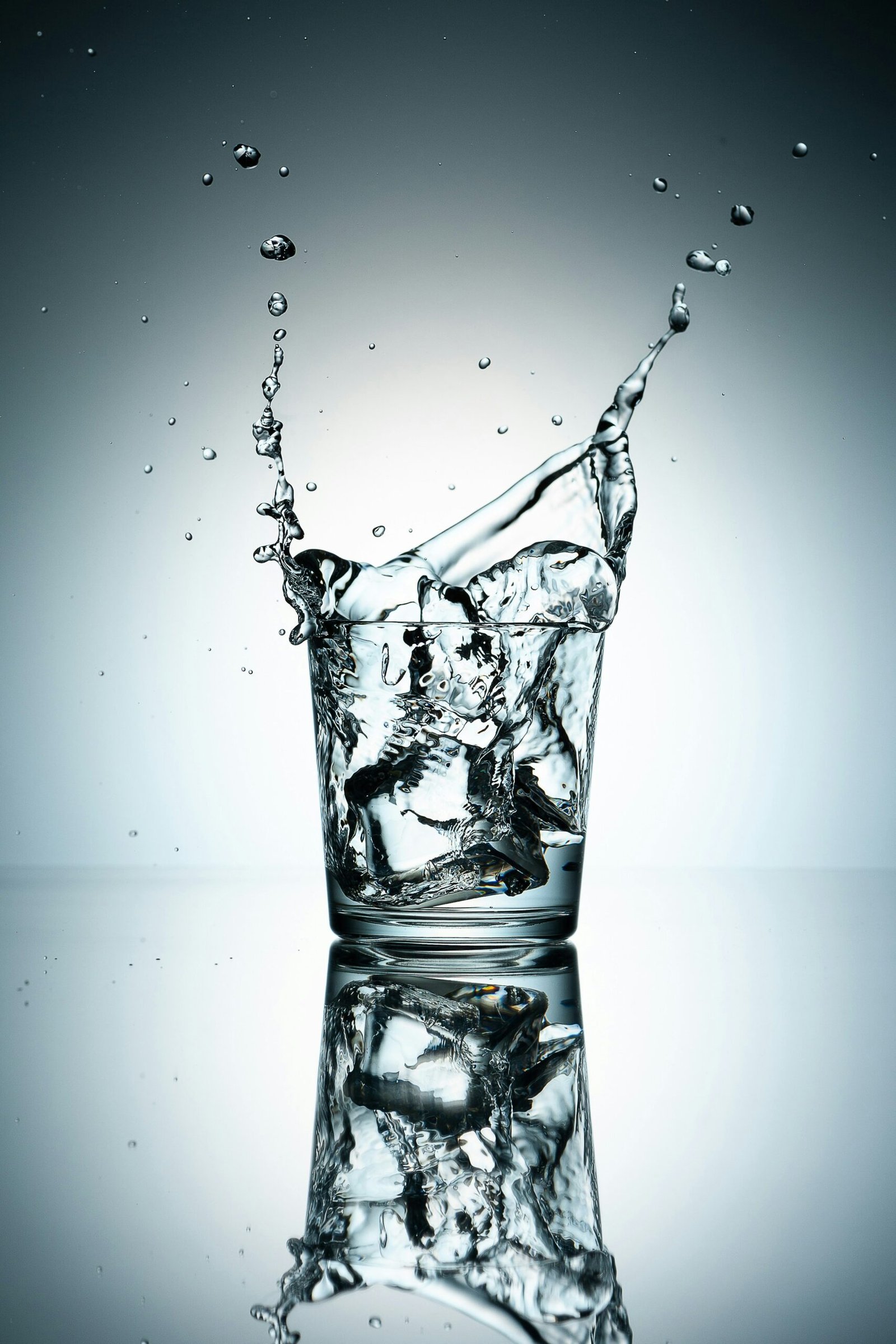
What if the cold water that sends shivers down your spine could also soothe your soul? It may seem counterintuitive at first, but there’s something undeniably compelling about surrendering to the stillness that cold water offers. Let’s embark on a journey that might just change how you perceive both cold water and stillness.

The Allure of Cold Water
You might wonder why anyone would willingly plunge themselves into cold water. There’s an inherent discomfort, sure, but also a unique allure. Cold water has a way of stripping away distractions, leading us to a space where we confront ourselves without the usual noise of daily life.
The Physical Reaction
When you first touch cold water, your body reacts almost instinctively. Your heart rate increases, and your breath may catch in your throat. This initial shock can feel daunting, but it’s also a signal to pay attention. Your body processes this stimulus in real time, allowing you to feel fully alive. Understanding this physical response can help you appreciate the cold instead of fearing it.
The Mental Shift
Once the initial shock fades, you’ll likely find yourself in a unique mental space. This transition period is crucial. It’s not just about surviving the cold; it’s about allowing your mind to shift gears. You might find that the cold water acts as a reset button for your thoughts, quieting the chaos and inviting clarity.
The Benefits of Cold Water Immersion
Let’s unpack what cold water immersion really offers. The advantages go beyond a mere adrenaline rush; they touch on wellness, mindfulness, and emotional balance.
Reducing Stress
In our fast-paced lives, stress feels omnipresent. Cold water immersion can serve as a powerful antidote. As you surrender to the cold, your body releases endorphins, those delightful hormones that elevate your mood and alleviate stress. In reference to studies, regular exposure can lead to enduring effects on overall stress levels, making the cold not just bearable, but beneficial.
Enhancing Mindfulness
Surrendering to the sensations of cold water compels you to be present. You can’t help but focus on the current moment when every nerve ending is activated. This state of mindfulness may lead to greater self-awareness and emotional balance. When you embrace the stillness that comes with surrender, you’re opening yourself up to inner dialogue and self-reflection.
Building Resilience
The experience of confronting cold water can serve as a metaphor for life’s challenges. Each plunge is an opportunity to cultivate resilience. When you face discomfort head-on, you grow. This skill doesn’t just apply to cold water; it transitions into your everyday encounters, enhancing your ability to navigate life’s ups and downs.
How to Surrender to Cold Water
So, how do you actually embark on this journey of surrender? It all starts with the right mindset and approach. Let’s break down the steps to ease you into this potentially transformative experience.
Set Your Intention
Before you even approach the water, get clear on why you want to do this. Are you seeking clarity, relief from anxiety, or perhaps a new challenge? By identifying your intention, you create a framework for your experience. This sense of purpose can ground you when you’re faced with the abrupt chill.
Choose Your Environment
Not all cold water experiences are created equal. Your surroundings can significantly impact your comfort level. Some people find lakes or rivers more inviting than ocean waves; others prefer the controlled environment of an ice bath. Find a location that feels right for you. Remember, you’re not just seeking cold water; you’re looking for a space that promotes stillness and reflection.
Start Gradually
If you’re new to cold water immersion, don’t feel compelled to go all in right away. You can start by splashing cold water on your face or taking a brief dip. Each small victory builds your confidence and enables you to acclimate over time. The goal is to stretch your boundaries without breaking your spirit.
Focus on Your Breath
Once you’re in, your breath becomes your anchor. Concentrating on your inhalations and exhalations can help ground you amidst the chill. Use your breath to gauge your emotional and physical state. Deep, rhythmic breathing can transform your experience from a struggle to a sanctuary of stillness.
Navigating the Fear Factor
Facing the cold can bring up a lot of fear and resistance. It’s important to acknowledge and address these feelings rather than dismiss them. Understanding fear can be a powerful tool in your journey of surrender.
Understanding Fear Responses
When faced with cold water, your body’s fight or flight response might kick in. This is normal, but recognizing it can help you control how you react. Instead of letting fear dictate your actions, use it as a catalyst for breathing through the discomfort. It’s this recognition that helps transform fear into acceptance.
Letting Go of Control
Many aspects of life are unpredictable, and cold water is no different. Allowing yourself to surrender means you’re embracing the unknown. This act of letting go doesn’t mean you’re losing power; instead, you’re choosing to find strength in vulnerability. Reflecting on this can turn a stressful experience into one of peace and acceptance.
Embracing the Discomfort
There’s something empowering about intentionally facing discomfort. As you navigate the cold water, remind yourself that uncomfortable moments often pave the way for growth. Lean into the sensations instead of resisting them. You may find that surrendering to discomfort is a practice that extends far beyond the water.

Incorporating Cold Water Practices into Your Life
Once you experience the benefits of cold water immersion, you might wonder how to make it a consistent part of your lifestyle.
Establish a Routine
Creating a regular practice makes cold water immersion a habit rather than a one-time adventure. Consider integrating it into your morning routine or as a refreshing break during your day. The routine will not only provide physical benefits but serve as a dedicated time for mental clarity.
Combine with Other Mindfulness Practices
You don’t have to limit yourself to cold water immersion. Consider pairing it with other practices like meditation or yoga. The stillness you cultivate in cold water can enhance your overall mindfulness practice, allowing you to experience even greater benefits.
Share the Experience
There’s something powerful about community. Whether it’s with friends, family, or a group of strangers, sharing your experiences can amplify the benefits. Consider organized ice bath retreats or casual winter dips with friends. Connecting with others who are on a similar journey can support your practice and create lasting bonds.
Addressing Common Misconceptions
It’s natural to have questions and doubts when it comes to cold water immersion. Let’s address some common misconceptions so you can approach this experience with clarity and confidence.
Cold Water is Dangerous
While it’s true that cold water can pose risks, knowing your limits is key. As with anything that poses a physical challenge, educate yourself about safety practices. Learn about hypothermia, but also understand how to acclimatize properly. Being informed can mitigate fears and empower your practice.
Only Athletes Benefit from Cold Water
The benefits of cold water take many forms and are not just reserved for athletes. People from all walks of life can experience positive effects, whether seeking relief from anxiety, physical discomfort or emotional distress. This practice is about self-care and nurturing your mental well-being.
The Experience is Always Painful
While the initial plunge may surprise you, it doesn’t have to be excruciating. Everyone’s experience is unique, and your journey can be characterized by exploration rather than discomfort. Approach each session with an open mind; what may feel uncomfortable today could become enjoyable tomorrow.

The Connection Between Stillness and Cold Water
As you consider the journey of surrendering to stillness in cold water, you can’t overlook the interplay between stillness itself and the natural setting of cold water.
Creating Your Still Space
Cold water can serve as a sanctuary—a space devoid of distractions. Embracing stillness often requires intentionally creating a quiet environment, and the cold water does that excellently. When you’re submerged, the noise of life is replaced by a different kind of sound: the rhythm of your breath and the calm of the water around you.
The Power of Nature
Nature’s elements have a restorative quality that fosters stillness in our busy minds. Cold water immersion reconnects you with the natural world, grounding you in a reality where you can experience life at its most raw. This connection can provide a deep sense of belonging and balance.
Reflecting on Your Experience
After each immersion, take a moment to reflect. What did you experience? How did the cold water shift your mental state? Reflecting allows you to consolidate your understanding of stillness and the methods that promote it. By documenting these reflections, you cultivate a narrative of personal growth, allowing you to see your evolution over time.
Conclusion: Embracing the Journey
Surrendering to stillness in cold water is ultimately about embracing a journey that intertwines physical, mental, and emotional transformation. It’s about stepping away from the familiar warmth and into the unknown coldness, ready to confront whatever lies beneath the surface. In the stillness, you’ll discover yourself in ways you never thought possible.
As you consider embarking on your own journey of surrender, remember that it’s not just about the cold water; it’s about the intentional practice of being present. By embracing stillness, you open the door to a heightened sense of awareness and growth. Every shiver, every moment of disbelief, and every wave of surrender brings you one step closer to a deeper understanding of who you are. So, are you ready to take the plunge?