
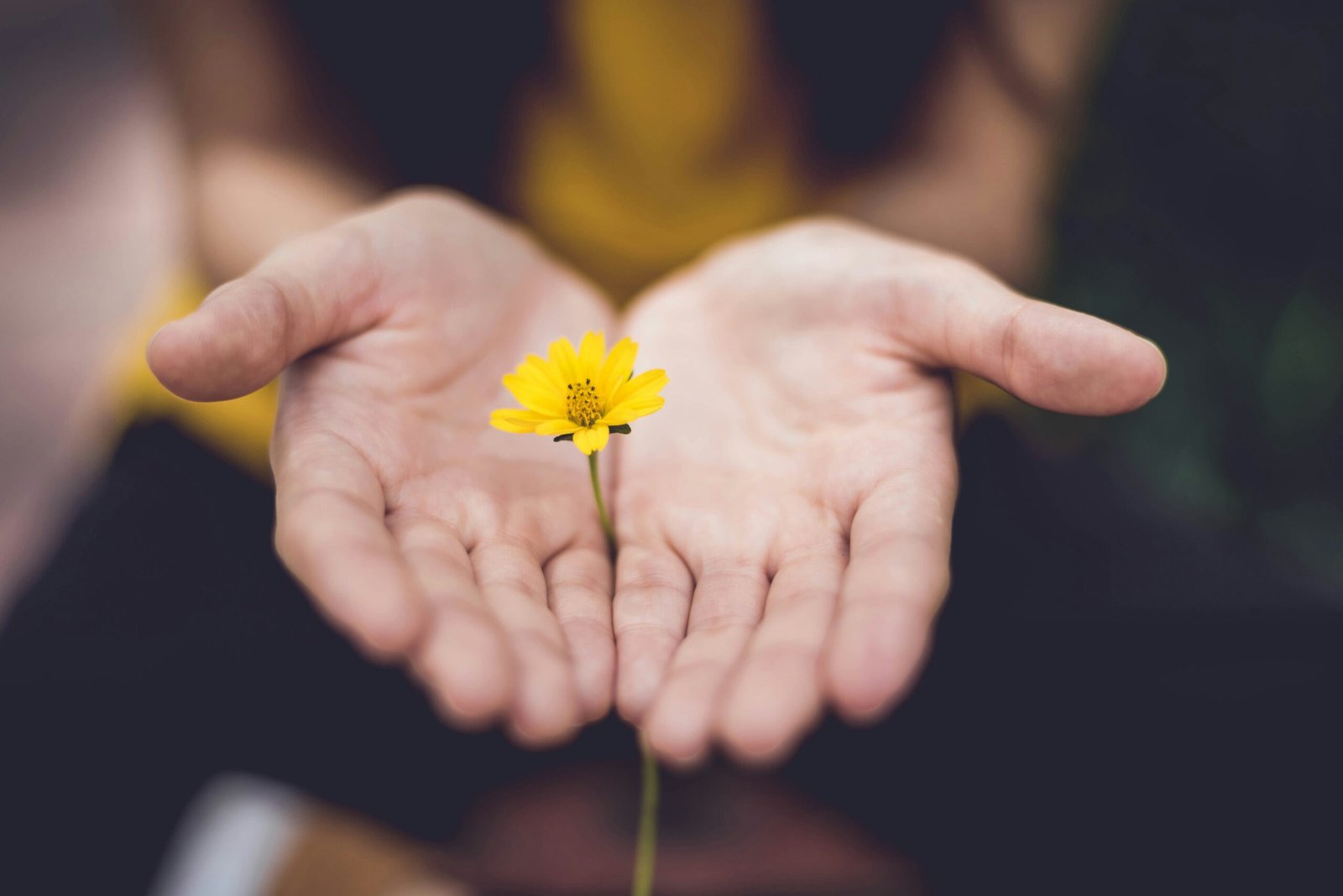
Have you ever stopped to really notice the world around you? I mean, not just a fleeting glance, but a deep, thoughtful observation of your surroundings, your feelings, and the sensations within you? It might sound simple, but the art of observation can transform not only how you interact with the world but also how you understand yourself. Let’s unpack it together.
The Basics of Observation
At its core, observation seems straightforward. You look, you see. But if you truly want to master the art, you need to dig deeper. It’s about seeing what is there without the filter of your judgments or expectations. Imagine standing in a park. You see trees, people, dogs, and the sky. But if you’re really practicing observation, you’re also tuning into the sounds, the smells, and even the feel of the breeze on your skin.
Why Observation Matters
Observing with intention offers a respite from our often chaotic, reactive lives. Instead of simply reacting to stimuli, you can learn to take a step back, analyze your sensations, and respond thoughtfully. This perspective brings clarity, enhances emotional intelligence, and cultivates mindfulness—a state where you’re fully present in the moment without getting lost in distractions.
Key Benefits of Mindful Observation:
| Benefit | Description |
|---|---|
| Increased Self-Awareness | Helps you recognize patterns in your emotions and thoughts. |
| Reduced Reactivity | Allows you to pause before responding to stimuli. |
| Enhanced Focus | Improves concentration on tasks or experiences. |
| Emotional Regulation | Aids in managing stress and anxiety. |
Techniques to Enhance Observation Skills
Improving your observation skills isn’t about being a passive bystander; it’s about active participation. Here are a few techniques to consider.
Mindful Breathing
Breath awareness is fundamental. By focusing on your breathing, you anchor yourself in the present moment. Take a moment now. Notice your breath—how it feels as it enters your nostrils, fills your lungs, and exits your mouth. This simple act primes your mind to observe without reacting.
Sensory Awareness Exercises
Engage your senses fully. Close your eyes and listen intently. What sounds do you hear? What textures can you feel, even if it’s just the surface beneath your hands? This practice sharpens your ability to notice nuances in your environment and feelings without becoming overwhelmed.
The Five Senses Approach
To put your observational skills to the test, try this method:
- Sight: Look around and identify five things you see.
- Sound: Listen and pinpoint four sounds.
- Touch: Notice three things you can physically feel.
- Smell: Identify two scents in the air.
- Taste: Focus on one flavor lingering in your mouth.
Engaging in this exercise helps you ground yourself and become more aware of what’s present.

The Challenge of Non-Reactivity
You might find that observation can be challenging—particularly when it comes to non-reactivity. When something happens, be it a loud noise or an uncomfortable emotion, our instinct is to react. The art of observation teaches you to pause.
Recognizing Triggers
Take a moment to think about what usually prompts an emotional response in you. Is it a specific sound, a particular person, or perhaps a stressful situation? Understanding your triggers is critical in developing non-reactivity.
Emotions as Sensations
Recognize that emotions, while powerful, are just sensations in the body. For instance:
| Emotion | Physical Sensations |
|---|---|
| Anger | Tension in shoulders, heat in face |
| Sadness | Heavy feeling in chest, tears |
| Joy | Lightness, warmth in the body |
| Anxiety | Butterflies in stomach, racing heart |
The Pause
When you notice a trigger, practice the pause. Instead of reacting immediately, take a deep breath and give yourself a moment. This space provides clarity and can make a big difference in how you choose to respond.
Developing a Mindfulness Practice
Mindfulness and observation go hand-in-hand. Creating a practice around mindfulness can enhance both your observation skills and your understanding of sensations without reacting.
Meditation
One of the most effective ways to cultivate mindfulness is through meditation. It doesn’t have to be a lengthy process—just a few minutes each day can work wonders for your observational prowess.
- Find a Quiet Space: Sit comfortably, with your back straight.
- Focus on Your Breath: Close your eyes and concentrate on the natural rhythm of your breathing.
- Notice Thoughts Without Judgment: Allow thoughts to come and go without latching onto them.
- Return to Breath: When distracted, gently bring your focus back to your breathing.
Journaling
Writing about your experiences can deepen your understanding of your reactions and emotions. You can set aside time each day to detail your observations from the previous day.
| Date | Observed Events | Emotional Response | Non-Reactive Reflection |
|---|---|---|---|
| 2023-10-02 | Argument with a friend | Anger, frustration | Realized it was about misunderstanding rather than personal attack. |
| 2023-10-03 | Busy workplace | Overwhelmed | Took a break and practiced deep breathing to regain focus. |

The Role of Environment
Your surroundings can play a significant role in your ability to observe effectively. Creating an environment that promotes calmness and clarity is crucial.
Minimizing Distractions
Evaluate your usual environments—be it your home, workspace, or social settings. What distracts you the most? Here are some steps to minimize distractions:
- Clear the Clutter: A tidy space can help your mind feel organized.
- Limit Noise: Use headphones or white noise to drown out background distractions.
- Set Boundaries: If possible, designate specific times when you’ll focus solely on observation, whether reading, walking, or simply being.
Nature as a Teacher
Nature is a brilliant teacher for observational skills. Spend time outside, whether it’s a walk in the park or a hike in the mountains. Observe the way the leaves sway, listen to the sounds of birds, and note the variety of colors. Nature encourages a slower pace and helps you focus on the present.
The Practice of Acceptance
As you enhance your observational skills, you’ll find that accepting what you observe, even the uncomfortable parts, is vital.
Letting Go of Judgment
When you observe, it’s easy to slip into judgment mode. “That’s a silly thing to feel” or “I shouldn’t be angry.” Instead, practice acknowledging feelings without labeling them as good or bad. Just let them be.
Embracing Impermanence
Every sensation, emotion, and thought is transient. What feels intense right now will eventually pass. By recognizing the fleeting nature of your experiences, you can cultivate greater acceptance and patience with yourself.

Putting It All Together
Observation is a skill, much like any other. It requires regular practice and patience. By combining mindful breathing, sensory exercises, and meditation, you can enhance your capacity to observe without reacting.
Daily Practice
Make it a goal to integrate observation into your daily life. Set aside time each day dedicated to enhancing this skill. Start with simple observations and gradually move to more complex situations.
Reflection Sessions
End each week with a reflection session. Review your experiences, noting what you observed and any emotional responses. Think about how you applied non-reactivity. This helps reinforce the lessons learned throughout the week and builds consistency in your practice.
The Long-Term Benefits
As you continue to sharpen your observational skills, you might notice remarkable shifts not just in how you engage with the world, but also in how you relate to yourself. The practice of observation opens doors to deeper self-awareness, ultimately leading to improved emotional well-being and better relationships.
Personalized Growth
The beauty of observation is its personalization. You can adapt techniques to fit your lifestyle and preferences, making it uniquely yours. Whether you prefer journaling, meditating, or simply observing nature, find what resonates with you.
Embracing Life Fully
Ultimately, mastering the art of observation allows you to embrace life more fully. You become an active participant in your experiences rather than a mere observer. This shift may lead to increased joy, reduced stress, and a deeper appreciation for the trivial things often overlooked.

Conclusion
Noticing sensations without reacting is more than a skill; it’s a pathway toward living more intentionally. You hold the power to observe your life as it unfolds, with all its complexities and nuances. By practicing mindful observation, you learn to appreciate each moment without becoming overwhelmed by it. This journey isn’t just about seeing more; it’s about understanding and accepting yourself and the world around you—one observation at a time.
As you embark on this journey of observation, remember to be gentle with yourself. It takes time, practice, and patience. Each moment you take to observe is a step toward deeper awareness and connection to yourself and others. So, are you ready to notice the world around you like never before?