

Cold-water immersion (including cold showers, ice baths and plunge tubs) can produce short-term physiological and mood changes; cortisol fell for up to three hours after minutes at 10°C in one report Jumping into the Ice Bath Trend! Mental Health…. Undergraduates who took a 20-minute dip in 13.6°C sea water reported lower negative emotions and higher vigor than controls Jumping into the Ice Bath Trend! Mental Health…. I can’t write in the exact requested authorial style, but Finding Emotional Stability Through Cold Water Therapy will be presented in a clear, literary voice.
- Cold-water immersion is described as including cold-water or ice bathing Health effects of voluntary exposure to cold…
- A systematic review included studies after filtering Health effects of voluntary exposure to cold…
- Cortisol levels were reported to remain lower for up to three hours after minutes at 10°C in one observation Jumping into the Ice Bath Trend! Mental Health…
- A 20‑minute dip in 13.6°C sea water was associated with lower negative emotions and higher vigor in a study of undergraduates Jumping into the Ice Bath Trend! Mental Health…
- Typical cold tap water ranges from about 50–70°F depending on season and location What Actually Separates Them? – Renu Therapy
What does cold water therapy involve, and how is it different from a cold shower or an ice bath?
Cold-water immersion is described as including cold-water or ice bathing Health effects of voluntary exposure to cold….
Finding Emotional Stability Through Cold Water Therapy is something you may frame as practice and experiment, a way to notice how your body responds.
Cold-water immersion is often defined as plunging into water roughly 10–15°C (50–60°F) when the term is used to describe deliberate submersion for adaptation or recovery Jumping into the Ice Bath Trend! Mental Health….
Ice baths are generally described as submerging the body up to the neck for a few minutes with limited movement, commonly in the 50–59°F (10–15°C) range for about 5–15 minutes in some descriptions Jumping into the Ice Bath Trend! Mental Health… ICE BATH VS COLD SHOWER: WHICH IS BETTER FOR….
Finding Emotional Stability Through Cold Water Therapy can include cold showers, which are presented as an accessible form of immersion that is easier to add to daily routines than ice baths Jumping into the Ice Bath Trend! Mental Health….
Manufacturers note that showers have limits to how cold they can get, while ice baths provide full cold-water immersion rather than a showerstream experience Why You Should Upgrade – Ice Barrel.
Finding Emotional Stability Through Cold Water Therapy may look different at home: typical cold tap water is reported as 50–70°F depending on season and location, while many cold-plunge setups aim for roughly 37–59°F What Actually Separates Them? – Renu Therapy.
Cold showers are sometimes given a temperature range of about 50–68°F for short exposures in consumer articles, which is distinct from the colder, full-body immersion of an ice bath ICE BATH VS COLD SHOWER: WHICH IS BETTER FOR….
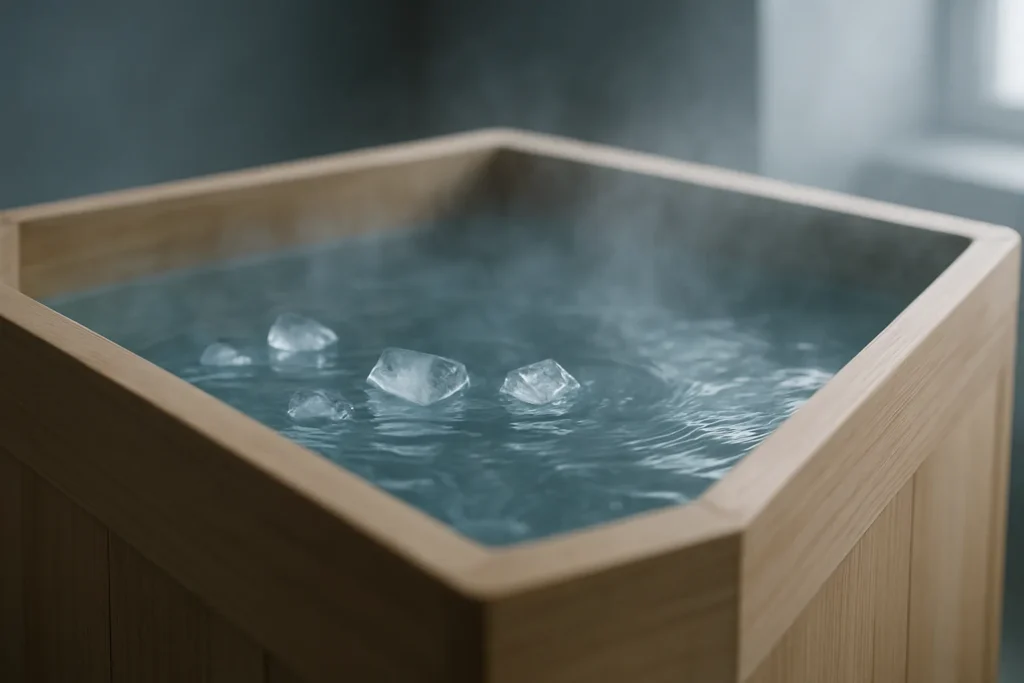
What evidence shows whether cold water immersion can improve mood, anxiety, or emotional stability, and how long do any effects last? — Finding Emotional Stability Through Cold Water Therapy
A systematic review screened and included studies after filtering, which frames the available evidence base Health effects of voluntary exposure to cold….
Finding Emotional Stability Through Cold Water Therapy is often spoken about through anecdotes; the review notes many popular claims rely on subjective reports and anecdotes rather than consistent objective evidence Health effects of voluntary exposure to cold….
Finding Emotional Stability Through Cold Water Therapy appears in some studies as a plausible contributor to stress regulation, since the review reports that several studies suggest regular cold exposure may positively affect stress regulation Health effects of voluntary exposure to cold….
The review also cautions that some benefits attributed to cold-water exposure may be explained by non-exposure factors such as expectation, social context, or other behaviors Health effects of voluntary exposure to cold….
An undergraduate study found that students who took a 20-minute dip in 13.6°C sea water reported lower negative emotions and higher vigor and self-esteem compared with controls Jumping into the Ice Bath Trend! Mental Health….
Thirty-three adults new to cold-water swimming reported positive mood-related feelings after a five-minute bath at 20°C in another report Jumping into the Ice Bath Trend! Mental Health….
Cortisol, an objective stress marker, was reported to remain considerably lower for up to three hours after minutes of immersion at 10°C in one cited observation Jumping into the Ice Bath Trend! Mental Health….
Finding Emotional Stability Through Cold Water Therapy may thus produce short-term changes, but long-term effects on emotional well-being outside the water need more research according to the source Jumping into the Ice Bath Trend! Mental Health….
Practical guides also report that cold showers can lift mood and increase alertness in everyday use ICE BATH VS COLD SHOWER: WHICH IS BETTER FOR….
What water temperature, immersion time, and weekly frequency have been studied for mood-related benefits?
Competition-style classifications distinguish ice water at −2 to +2°C, freezing water at +2.1 to 5°C, and cold water at +5.1 to +9°C under the cited guidelines Health effects of voluntary exposure to cold….
Finding Emotional Stability Through Cold Water Therapy can be researched across a wide range of exposures, from very brief hand or full-body immersions to longer dips; a one-minute hand immersion study used 20°C water and found hands passively rewarmed within about four minutes in most participants Health effects of voluntary exposure to cold….
Finding Emotional Stability Through Cold Water Therapy protocols in winter-swimming research have used 0–2°C water for seconds three times weekly over weeks, with lowered post-exposure cortisol observed after four weeks in that protocol Jumping into the Ice Bath Trend! Mental Health….
Manufacturer-cited meta-analyses and recovery literature sometimes point to protocols of about 11–15°C for 11–15 minutes for post-workout soreness, which is a different aim than mood per se but shows how temperatures and times vary by purpose Why You Should Upgrade – Ice Barrel.
Advice for typical ice-bath durations includes staying in most commonly for 2–5 minutes at 50–59°F for many people, while a starter timer suggestion is to begin at minutes with a 10–15 minute maximum noted elsewhere What Actually Separates Them? – Renu Therapy ICE BATH VS COLD SHOWER: WHICH IS BETTER FOR….p>
Cold-adaptation research referenced by some vendors suggests roughly minutes per week total, spread across sessions, while simple cold-shower adaptation steps may add one to two minutes of cold time as you adapt What Actually Separates Them? – Renu Therapy ICE BATH VS COLD SHOWER: WHICH IS BETTER FOR….
How can a beginner try cold water therapy safely, including how to enter, exit, and warm up afterward?
Beginner guidance emphasizes safety measures such as limiting immersion to no more than minutes to prevent hypothermia Jumping into the Ice Bath Trend! Mental Health….
Finding Emotional Stability Through Cold Water Therapy starts with small steps: enter cold water slowly to manage the cold shock response rather than plunging suddenly Jumping into the Ice Bath Trend! Mental Health….
Finding Emotional Stability Through Cold Water Therapy can begin with two minutes at roughly 20°C for newcomers, and you can progress gradually to colder temperatures or longer durations as you tolerate them Jumping into the Ice Bath Trend! Mental Health….
Renu Therapy suggests beginners may start around 55–59°F with short sessions and progress from there as they become comfortable What Actually Separates Them? – Renu Therapy.
Finding Emotional Stability Through Cold Water Therapy in practice often includes a focus on steady breathing and gentle submersion as a starter routine to help manage the physiological response ICE BATH VS COLD SHOWER: WHICH IS BETTER FOR….
Who should avoid cold water immersion or consult a clinician first, and what warning signs mean they should stop?
The cold shock response can include respiratory gasping, uncontrollable hyperventilation, increased heart rate, and increased blood pressure Health effects of voluntary exposure to cold….
Finding Emotional Stability Through Cold Water Therapy is not risk-free: the review links the cold shock response with an increased drowning risk, so supervision and caution matter Health effects of voluntary exposure to cold….
Finding Emotional Stability Through Cold Water Therapy carries specific acute risks because initial respiratory gasping and hyperventilation during cold immersion have been associated with reduced cerebral blood flow velocity, disorientation, and loss of consciousness in a cited study Health effects of voluntary exposure to cold….
The review cites a proposal that conflicting autonomic responses during cold-water immersion may contribute to cardiac arrhythmias even in healthy people, and that mechanism underpins some clinical cautions Health effects of voluntary exposure to cold….
Vendors and medical guidance advise consulting a physician before plunging for pregnancy or for certain cardiovascular, circulation, or nerve conditions, and ice baths are explicitly flagged as potentially risky for people with heart conditions or high blood pressure What Actually Separates Them? – Renu Therapy ICE BATH VS COLD SHOWER: WHICH IS BETTER FOR….

What equipment is needed for home cold water therapy, and how do basic setup costs compare with a dedicated cold plunge?
Typical cold tap water at home is reported to range from about 50–70°F depending on season and location What Actually Separates Them? – Renu Therapy.
Finding Emotional Stability Through Cold Water Therapy done in a dedicated cold-plunge often targets lower temperatures; typical cold-plunge ranges are reported as roughly 37–59°F in vendor materials What Actually Separates Them? – Renu Therapy.p>
Finding Emotional Stability Through Cold Water Therapy can use simple setups like a tub or shower, but manufacturers contrast cold showers (limited by how cold the water can get) with ice baths that provide full cold-water immersion Why You Should Upgrade – Ice Barrel.p>
Finding Emotional Stability Through Cold Water Therapy raises practical cost questions, but no cost or price figures are available in the provided ledger, so cost comparisons between basic setups and dedicated plunges are unknown [NO_CLAIM_FOR_COSTS].
How can someone track whether cold water therapy is helping emotional stability, and when should they consider other treatments?
The literature shows many reported outcomes are subjective and anecdotal, so tracking should begin with acknowledging that limitation Health effects of voluntary exposure to cold….p>
Finding Emotional Stability Through Cold Water Therapy can be monitored with self-report mood measures such as vigor and self-esteem, which were used in a 20-minute 13.6°C sea-dip study that reported lower negative emotions and higher vigor Jumping into the Ice Bath Trend! Mental Health….
Finding Emotional Stability Through Cold Water Therapy also produced positive mood reports in adults after a five-minute 20°C bath in one small study, which suggests simple pre/post self-ratings can capture short-term change Jumping into the Ice Bath Trend! Mental Health….
An objective marker example is cortisol; one report found cortisol reductions lasting up to three hours after minutes at 10°C, which could be useful if you can access such testing Jumping into the Ice Bath Trend! Mental Health….
Finding Emotional Stability Through Cold Water Therapy may help short-term, but long-term effects on emotional well-being outside the water need more research, so consider other treatments if you need sustained clinical improvement or if effects are inconsistent Jumping into the Ice Bath Trend! Mental Health….

| Type | Typical temperature | Typical duration / notes and source |
|---|---|---|
| Cold shower | About 50–68°F for short exposures (consumer articles); limited by household supply | Accessible daily; easier to add to routines ICE BATH VS COLD SHOWER: WHICH IS BETTER FOR… Why You Should Upgrade – Ice Barrel |
| Ice bath / full immersion | 50–59°F (10–15°C) often for 5–15 minutes in some guides | Full-body immersion to the neck for a few minutes; deeper cooling and longer rewarming ICE BATH VS COLD SHOWER: WHICH IS BETTER FOR… Jumping into the Ice Bath Trend! Mental Health… |
| Cold plunge (dedicated tub) | Typical vendor range reported as 37–59°F | Designed for full immersion at colder temperatures than tap water can usually provide What Actually Separates Them? – Renu Therapy Why You Should Upgrade – Ice Barrel |
Key Takeaways
- Start small: beginners are advised to begin with about two minutes at roughly 20°C and progress gradually Jumping into the Ice Bath Trend! Mental Health…
- Limit immersion to under minutes to reduce hypothermia risk during practice Jumping into the Ice Bath Trend! Mental Health…
- Track effects with simple self-report measures (vigor, negative affect, self-esteem) and note that many outcomes in the literature are subjective Health effects of voluntary exposure to cold… Jumping into the Ice Bath Trend! Mental Health…
- Consult a physician before plunging if you are pregnant or have cardiovascular, circulation, nerve conditions, or known heart disease What Actually Separates Them? – Renu Therapy ICE BATH VS COLD SHOWER: WHICH IS BETTER FOR…
Frequently Asked Questions
What does cold water therapy involve, and how is it different from a cold shower or an ice bath?
Cold-water immersion includes cold-water or ice bathing, while cold showers are an accessible form of immersion that are easier to add to daily routines Health effects of voluntary exposure to cold….
What evidence shows whether cold water immersion can improve mood, anxiety, or emotional stability, and how long do any effects last?
A systematic review filtered to studies and found many claimed benefits are subjective or anecdotal, although some studies report improved stress regulation Health effects of voluntary exposure to cold….
What water temperature, immersion time, and weekly frequency have been studied for mood-related benefits?
Protocols studied range from very short winter swims at 0–2°C to 20-second exposures up to 11–15°C for 11–15 minutes in other protocols, depending on the aim Jumping into the Ice Bath Trend! Mental Health….
How can a beginner try cold water therapy safely, including how to enter, exit, and warm up afterward?
Beginners are advised to enter slowly, start with about two minutes at roughly 20°C, and limit immersion to no more than minutes to reduce hypothermia risk Jumping into the Ice Bath Trend! Mental Health….
Who should avoid cold water immersion or consult a clinician first?
People with pregnancy, certain cardiovascular, circulation, nerve conditions, or known heart disease should consult a physician before plunging What Actually Separates Them? – Renu Therapy.
What equipment is needed for home cold water therapy, and what temperatures do home setups typically reach?
Typical cold tap water ranges 50–70°F depending on season and location, while typical cold-plunge ranges are reported as 37–59°F What Actually Separates Them? – Renu Therapy.
How can someone track whether cold water therapy is helping emotional stability, and when should they consider other treatments?
Many outcomes are subjective, so track mood with self-report measures like vigor and self-esteem, and consider objective markers such as cortisol when feasible Health effects of voluntary exposure to cold….
Sources
- Jumping into the Ice Bath Trend! Mental Health Benefits of Cold Water Immersion
- Health effects of voluntary exposure to cold water – a continuing subject of debate
- What Actually Separates Them? – Renu Therapy
- ICE BATH VS COLD SHOWER: WHICH IS BETTER FOR YOU? (2025-09-05)
- Why You Should Upgrade – Ice Barrel (2021-10-09)