

Have you ever thought about how you react when faced with discomfort? Maybe it’s a sudden chill or an unexpected comment that throws you off balance. Life has a way of making us uncomfortable, but what if discomfort could actually teach you acceptance? Cold immersion is an intriguing practice that could guide you toward this goal. Allow me to take you through this journey.

Understanding Cold Immersion
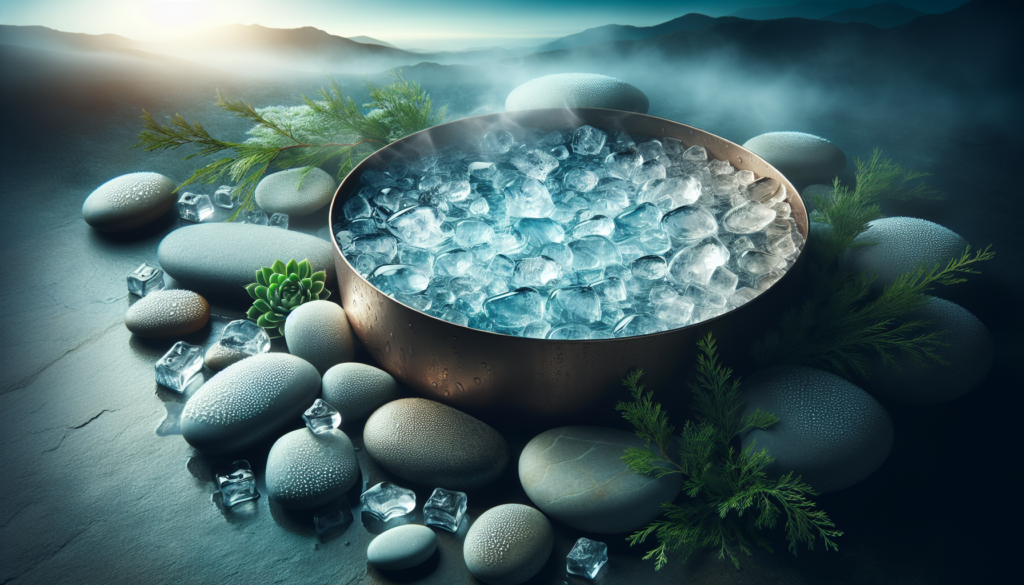
Cold immersion might sound daunting, but it’s really about engaging with your body and mind in ways that challenge your comfort zone. It involves exposing yourself to cold temperatures, typically through methods like ice baths, cold showers, or swimming in chilly water. It’s not just a physical experience. It creates a mental and emotional space where you might find acceptance.
The Science Behind Cold Immersion
Before jumping into the icy waters, let’s look at what happens when you immerse yourself in cold temperatures. When the body is exposed to cold, several physiological responses are triggered. Understanding these responses can help you see how cold immersion relates to acceptance.
- Release of Endorphins: Your body reacts to the cold by releasing endorphins, which can improve your mood and create a sense of well-being.
- Improved Circulation: Cold exposure can increase blood circulation as your body works to maintain its core temperature. Better circulation often leads to more vibrant health.
- Enhanced Recovery: Athletes often use cold immersion to speed up recovery after workouts. This is a testament to the body’s ability to handle stress and adapt to it.
Benefits Beyond the Body
Embracing the chill isn’t only about physical health. The mental and emotional benefits are equally significant. Cold immersion can become a form of therapy, enabling acceptance in multiple areas of your life.
-
Building Resilience
Each plunge into cold water becomes an exercise in resilience. You learn to sit with discomfort, helping you confront other challenges in life with a new perspective. -
Mindfulness and Presence
Cold water requires your full attention. You can’t help but focus on your breath and sensations. This mindfulness fosters acceptance for whatever feelings arise, whether joy, panic, or vulnerability. -
Emotional Release
Many people experience an emotional release during cold immersion. This could be crying or simply letting out a sigh of relief. It’s a reminder that feeling your emotions is essential, even those that are uncomfortable.
Preparing for Cold Immersion
Thinking about trying cold immersion? Preparation is key. It’s important to ease into this practice rather than jumping headfirst—quite literally. Here are some steps to take before you dive in.
Start Slow
If the idea of cold immersion feels intimidating, start small. Gradually acclimate your body to cold temperatures. This could mean:
- Cold Showers: Begin with lukewarm water and gradually lower the temperature.
- Chilly Splash: Splash your face and hands with cold water before moving on to bigger immersions.
Mental Preparation
Cold exposure is as much a mental challenge as it is a physical one. Here are some visualization techniques to help you prepare:
- Visualize Success: Picture yourself comfortably submerged in cold water. Envision the immediate aftermath where you feel empowered and proud of yourself.
- Breathe Intentionally: Starting a breathing routine can help calm nerves. Deep, slow breaths can ground you and ease anxiety.
Safety First
While cold immersion can be beneficial, it’s essential to prioritize safety. Here are some tips to keep you safe:
- Listen to Your Body: If you start to feel excessive discomfort or pain, it’s important to get out of the water.
- Avoid Overdoing It: Even if you’re enjoying the experience, limit your time in cold water—especially if you’re just starting. Aim for brief immersions lasting from 30 seconds to a few minutes.
The Experience of Cold Immersion
When you step into cold water, it’s an experience to be savored (or endured at first). Here’s what generally happens during this immersion.
The Initial Shock
The first moment in cold water can be shocking. Your body reacts instinctively, heart racing and breath quickening. This response now serves as an opportunity to observe how you handle discomfort.
- Breath Control: You might feel the urge to gasp or hold your breath. Instead, focus on steadying your breath for clarity and calm.
Finding Your Center
Once the initial shock passes, you can start to find your breathing and calm your racing heart. This is where magic happens. Embracing the cold turns into a moment of acceptance.
- Stay Present: Focus on sensations. Are there tingling feelings in your limbs? Is your mind racing, or are you settling into a meditative state?
Embracing Acceptance
Once you settle into the experience, acceptance can emerge. You discover that it’s not about changing the environment but adapting your mindset.
- Personal Reflection: Use this time to reflect on other areas of your life where you might be resisting acceptance. Think about what discomforts you typically avoid and why.
Reflecting on Your Experience
Post-immersion, give yourself time to process the experience. This could be considered a mini-therapy session where you learn more about your habits and patterns of behavior.
Journaling Insights
After your immersion, take a few moments to jot down your thoughts. Here are some prompts to guide you:
-
What did you feel during the immersion?
Note both physical sensations and emotional responses. -
Did anything surprise you?
Reflect on new thoughts or feelings that arose while in the cold.
Sharing Your Journey
Talking with others about your experiences can enhance acceptance further. Sharing might give you insight into other perspectives and encourage mutual understanding.
- Find a Buddy: Consider inviting a friend to join you for cold immersion. Having someone by your side can create a sense of camaraderie and accountability.

Cultivating Acceptance in Daily Life
So, how does cold immersion lead to acceptance in your everyday life? It’s about cultivating a mindset that welcomes all experiences, both warm and cold.
Acceptance as a Practice
Acceptance isn’t a one-time achievement; it’s a continuous practice. Just as you return to cold immersion, you can return to acceptance daily. Here are some strategies:
-
Mindfulness Meditation
Engage in mindfulness to ground yourself when feeling overwhelmed. This practice helps you embrace thoughts and feelings without judgment. -
Reframing Challenges
When faced with discomfort in life, try reframing your thoughts. Instead of asking, “Why is this happening to me?” try, “What can I learn from this experience?”
Applying Cold Immersion Lessons
The lessons learned from cold immersion can apply to many facets of life. Think about how you navigate discomfort in your work, relationships, or personal goals.
-
Work Stress: When facing a challenging project, remember the lessons from cold immersion. Ground yourself in the discomfort instead of shying away.
-
Relationships: When conflicts arise, approach them as opportunities for growth. Practice patience and acceptance, just as you do with cold immersion.
-
Personal Goals: Whether it’s fitness, mental health, or self-improvement, remember that discomfort often leads to growth. Acknowledge and embrace challenges.
Integrating Cold Immersion into Your Routine
Ready to incorporate cold immersion? Here are tips on how you might weave it seamlessly into your daily life.
Morning Rituals
Consider starting your day with cold immersion as a ritual. A quick cold shower can invigorate you and set a positive tone for the day.
- Energetic Kickstart: Cold water can wake you up better than coffee! You might find that it gives you the energy needed to tackle the day’s challenges.
Weekly Challenges
Make cold immersion a weekly challenge. Set aside a day for longer cold exposure, like a cold plunge post-workout.
- Routine: Pair it with other healthy habits, like exercise or meditation, to maximize benefits.
Seasonal Embracement
Incorporate cold immersion with the seasons. In winter, take advantage of seasonal cold swimming opportunities, and in summer, have refreshing cold showers when the heat rises.
- Nature’s Gift: Heat in the summer can make cold immersion feel delightful, and winter may provide other natural settings to expand your experience.

Expanding the Cold Immersion Community
The more you engage with community and shared experiences, the more fulfilling your journey will become. Look for local groups or online communities that resonate with your interest in cold immersion.
Joining Groups
Seek out local enthusiasts or classes focused on cold immersion. Engaging with others will offer support and encouragement as you navigate this uncharted territory.
Online Communities
Social media platforms often have groups dedicated to cold immersion and wellness practices. Websites like Reddit can be wonderful for sharing experiences and gathering tips.
Embracing Vulnerability
As you proceed along this journey, remember that vulnerability is a beautiful part of acceptance. Embracing discomfort opens pathways for growth that you might have never considered.
Sharing Your Story
By sharing your cold immersion experiences, you connect with others on a deeper level. Showcasing vulnerability not only inspires others but also creates a safe space for discussions around acceptance.
Learning from Others
Pay attention to the stories of others embarking on their own cold immersion journeys. Their insights could give you new techniques, motivation, or encouragement and reaffirm that you are not alone in your experience.
Conclusion
Navigating discomfort through cold immersion has the profound potential to teach you about acceptance. As you engage with this powerful practice, you’ll likely find the lines between comfort and discomfort blurring, ultimately leading to profound personal growth.
By recognizing discomfort as an opportunity rather than a roadblock, you’re opening yourself up to richer experiences in life. As you become comfortable with the cold, you may find yourself becoming comfortable with the complex nature of life itself. Each icy dip transforms into a chance to learn, grow, and embrace who you are fully.
So, are you ready to step into the cold, not just for the sake of your body but also for your mind and soul? The journey ahead may surprise you.