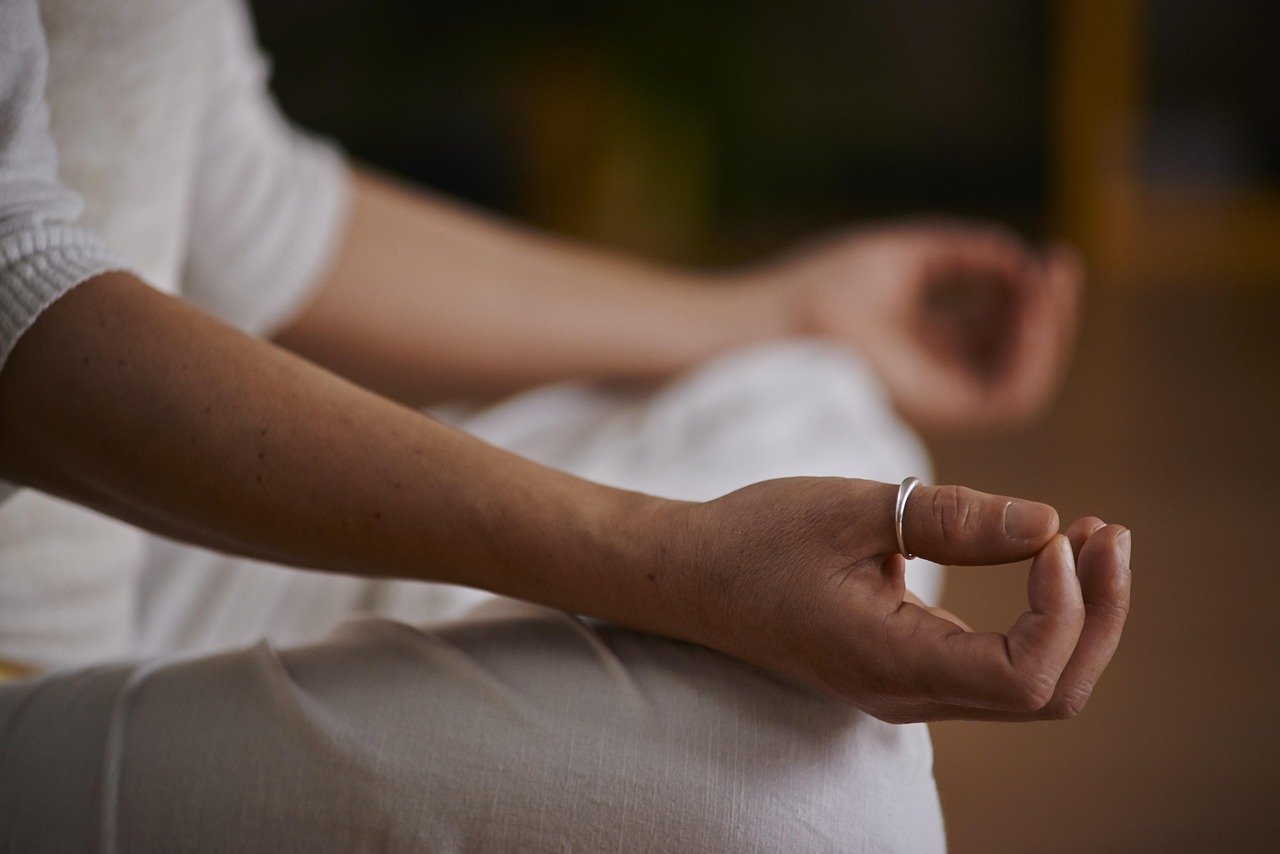
Have you ever noticed how your breath changes when you feel anxious or scared? In moments of stress, focusing on your breath can play a significant role in helping calm your mind. This technique is especially useful during intense experiences, like plunging into icy waters or jumping off a diving board. In this article, we will delve into how observing your breath can create a sense of calm during these overwhelming moments.
Understanding the Connection Between Breath and Mind
Your emotional state is tightly linked to your breath. When you’re relaxed, your breath is typically slow and effortless. Conversely, when you’re anxious, your breath may become rapid, shallow, or erratic. This direct connection between breath and mental state is where the power of observing your breath comes into play.
The Physiology of Breath
To truly appreciate why focusing on your breath calms the mind, let’s break down the physiology behind it.
When you inhale, your body naturally activates the sympathetic nervous system, which is responsible for your “fight or flight” response. As you exhale, the parasympathetic nervous system kicks in, promoting relaxation and a sense of safety. This duality is what makes breath control an effective tool when seeking calmness.
Stress and the Body
Your body reacts to stressors in incredibly complex ways. Physical symptoms like rapid heart rate or tense muscles result from the stress response. By observing your breath, you can circumvent some of these responses and take control of the situation, allowing your mind to settle.
The Art of Observing Your Breath
Focusing on your breath might sound simplistic, but it’s genuinely profound in its effects. So, how do you observe your breath effectively? Let’s break it down into a step-by-step process.
Find a Comfortable Position
Before beginning with breath observation, it’s beneficial to find a comfortable position—whether you are standing, sitting, or even lying down. This initial step allows you to ground yourself and prepare for the practice.
Close Your Eyes or Gaze Softly
By closing your eyes or softening your gaze, you minimize distractions from your environment. This can help you focus entirely on your breathing without getting sidetracked by the visual stimuli around you.
Notice Your Breath
Begin by simply noticing your breath without trying to change it. Acknowledge each inhale and exhale. Pay attention to how your chest rises and falls, the feeling of air entering your nostrils, and the slight pause before you exhale.
Count Your Breaths
After a few moments of observation, you can start counting your breaths to help center your mind. Inhale deeply for a count of four, hold for four, and exhale for six. This counting can serve as a soothing mantra, leading you deeper into calmness.
Return to Your Breath When Distracted
It’s entirely normal for your mind to wander. When you notice distractions arise, gently bring your focus back to your breathing without judgment or frustration. Practice of this redirecting is a significant part of the process.
Practical Applications: Calming the Mind During Stressful Moments
Now that you have a solid grounding in breath observation, let’s look at how to apply this technique during particularly stressful or intense moments—such as plunging into water or facing challenging situations.
Preparing for the Plunge
Whether you’re about to make a leap into the water—be it a pool or a natural body of water—your body may feel the anticipation. Here’s how you can harness breath observation to prepare.
-
Acknowledge Your Feelings: Before the jump, recognize the feelings of fear or anxiety. It’s completely normal to feel this way. Simply accept that these feelings exist.
-
Begin with Deep Breaths: Stand at the edge, take a moment to place your hands on your belly, and inhale deeply through your nose. Feel your stomach expand. Hold it for a second and exhale through your mouth. Repeat this a few times.
-
Visualize Your Jump: As you breathe, envision yourself completing the plunge confidently and safely. This visualization complements your breath observation and creates a mental picture of calmness.
During the Plunge
As you take that leap, the sensations rushing through your body can be intense. Here’s how to stay grounded.
-
Inhale and Hold: As you start to fall, quickly inhale and hold your breath for a moment. This can create a sense of anticipation.
-
Feel the Water: Upon hitting the water, focus on how it feels enveloping your body. Notice the sensation once again.
-
Breath Control Underwater: If you’re going to submerge, focus on your breathing as you emerge. Maintain slow, measured breaths when you come back to the surface.
After the Plunge
Once you’ve completed your plunge, the moment can land differently—from elation to reflection.
-
Ponder Your Experience: Stand in the water or on the edge where you jumped and observe your breath. Ask yourself how that experience felt in contrast to your expectations.
-
Practice Gratitude: Appreciate the experience, regardless of the outcome. You took a step out of your comfort zone and faced your fears.
-
Reflect and Conclude: As you settle into the moment of calm post-plunge, reflect on how the observation of your breath contributed to your experience. Let your body absorb this new level of comfort you’ve created.
Incorporating Breath Observation into Daily Life
While plunging may be a specific context, breath observation isn’t limited to water-related activities. It can be integrated into various aspects of your daily life.
Managing Everyday Stressors
Our daily lives are filled with numerous stressors that can cause overwhelming feelings of anxiety. Here’s how you can use breath observation to deal with them.
-
Morning Routine: Start your day with a few minutes of mindful breathing before you jump into responsibilities. This can set a positive tone for the day.
-
Midday Breaks: If work gets overwhelming, take a break to step outside or find a quiet spot to breathe and observe. This will refocus your mind.
-
Evening Wind Down: As you come home from your day, spend time observing your breath before bed. This can help transition your mind and body into a restful state.

Advanced Techniques for Breath Observation
Once you feel comfortable with the fundamentals of breath observation, you can incorporate advanced techniques that enhance your mindfulness practice.
Mindfulness Meditation
Integrating breath observation into mindfulness meditation can deepen your sense of calm. During this practice:
- Begin with breath observance as described earlier, allowing thoughts to come and go.
- Move into guided meditations that focus specifically on breathing.
- Experiment with longer sessions over time to cultivate a robust mindfulness habit.
Incorporate Movement
Instead of remaining stationary, you can combine breath observation with movement practices such as yoga or tai chi. The key points are:
- Coordinate your breath with your movements; inhale as you expand and exhale as you contract.
- Find meditation in movement, where your focus shifts naturally based on physical alignment.
Breathing Techniques
There are specific breathing techniques that can enhance your practice and help you achieve various states. Here are a few examples:
| Technique | Description |
|---|---|
| Diaphragmatic Breathing | Focus on using your diaphragm for deeper, fuller breaths. |
| Box Breathing | Inhale for a count of four, hold for four, exhale for four, hold for four. |
| Alternate Nostril Breathing | Balance your body’s energy and promote relaxation by breathing through alternate nostrils. |
The Importance of Consistency
Breath observation is a skill, and like any skill, it requires consistency to reap the full benefits. Try to incorporate breath observation practices into your daily life, even when you aren’t stressed.
Daily Commitment
Building a regular practice means committing time to breath observation, making it a non-negotiable part of your routine. Five to ten minutes a day is a great place to start, and it can gradually become a habit.
Progress Tracking
Keeping a journal or reflecting on your experiences can be incredibly beneficial. Document how breath observation affects your mood, stress levels, and overall sense of calm. This self-awareness will motivate you to continue the practice.
Overcoming Common Challenges
As you begin to observe your breath more regularly, you may run into challenges. Here are a few common ones and how to tackle them.
Distractions
It’s common for your mind to wander during this practice. When this happens:
- Acknowledge the distraction rather than resisting it.
- Use your breath as a point of return, gently redirecting your focus.
Physical Discomfort
If you experience discomfort in your body while observing your breath:
- Try adjusting your posture or changing positions until you find a comfortable alignment.
- Make sure you are seated or standing in a relaxed way.
Expectation Management
Sometimes, you may put pressure on yourself to feel a certain way. Remember:
- The goal is not to achieve a specific outcome but to observe your breath and become aware of your thoughts and feelings.
- Allow yourself grace and patience; everyone’s journey is unique.
Conclusion
By observing your breath, you open doors to a calming oasis within yourself. This practice not only acts as a lifeline during moments of plunge—but also enriches your daily life. By regularly taking the time to focus on your breath, you’ll find that facing challenges, whether they are big or small, becomes much more manageable. So, take a deep breath in, hold it for a moment, and let the calm wash over you. Embrace the journey that comes through the breath—it’s one worth taking.