

Have you ever considered how a simple change in temperature could impact your mental well-being? In a world where anxiety often feels overwhelming, the idea of mindful cold exposure might seem unconventional, but it carries fascinating potential.

Understanding Anxiety
Anxiety is more than just feeling stressed or nervous. It can feel like a persistent cloud looming, affecting your daily life. You may encounter various forms, such as generalized anxiety disorder, social anxiety, or panic disorders. These conditions can manifest physically and emotionally, making it critical to find effective coping strategies.
What is Anxiety?
At its core, anxiety is the body’s natural response to stress. It activates the fight-or-flight response, triggering a flood of adrenaline and cortisol. While a bit of anxiety can be helpful (like when you’re avoiding danger), excessive anxiety becomes debilitating. Symptoms often include:
- Restlessness
- Fatigue
- Difficulty concentrating
- Irritability
- Sleep disturbances
The Benefits of Mindfulness
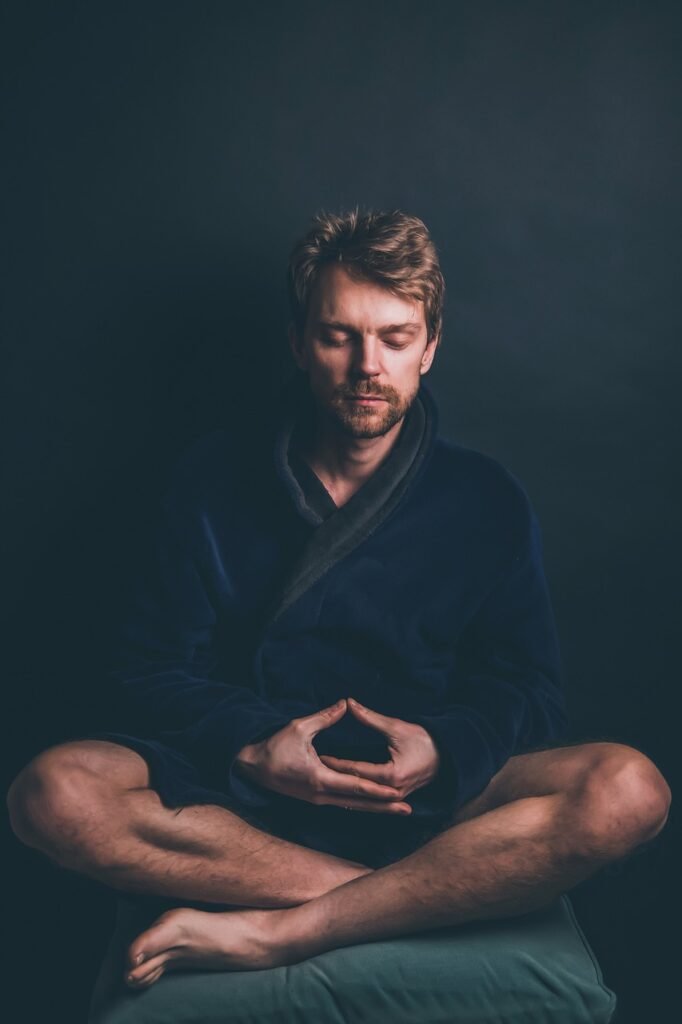
Mindfulness, the practice of staying present and fully engaging with the current moment, can be a valuable tool in managing anxiety. It teaches you to observe your thoughts without judgment, creating space to respond rather than react.
How Mindfulness Helps
Incorporating mindfulness into daily life can lead to various benefits:
- Reduced Stress: Mindfulness can help lower cortisol levels, promoting relaxation.
- Improved Focus: Engaging in mindfulness practices often improves concentration abilities.
- Enhanced Emotional Regulation: By being present, you can better manage your emotions and reactions.
Cold Exposure: An Overview
Now, let’s turn our attention to cold exposure. This might sound surprising, but scientifically, it has some fantastic implications for mental health. Engaging in cold exposure practices involves exposing your body to cold temperatures, which can be helpful.
The Science Behind Cold Exposure
When you voluntarily expose your body to cold, it activates the vagus nerve, which is crucial for regulating stress. Additionally, cold exposure can enhance dopamine release, leading to mood improvement.
| Effect of Cold Exposure | Potential Benefits |
|---|---|
| Activates Vagus Nerve | Regulates stress response and promotes relaxation |
| Increases Dopamine | Improves mood and alleviates symptoms of anxiety |
| Boosts Willpower | Enhances resilience and mental fortitude |
Mindful Cold Exposure: What Is It?
So what exactly does “mindful cold exposure” mean? It’s about embracing the cold with intention and awareness. Instead of merely subjecting yourself to freezing temperatures, you’re fully present, engaged, and focused on the experience.
Practicing Mindful Cold Exposure
Here’s a breakdown of how you can incorporate mindful cold exposure into your routine:
-
Prepare Your Mindset: Before starting, take a moment to stress the importance of intention. You are not simply enduring discomfort but embracing an opportunity for growth.
-
Choose Your Exposure Method: Whether it’s a cold shower, ice bath, or simply stepping outside on a chilly day, pick what suits you best.
-
Focus on Breath: As you immerse yourself in cold, pay attention to your breathing. Inhale deeply through your nose and exhale slowly through your mouth. Count your breaths if it helps.
-
Acknowledge Feelings: You may feel various sensations— discomfort, tension, or even panic. Acknowledge these feelings without judgment; they’re valid.
-
Visualize Release: As you breathe out, visualize releasing any anxiety or negative energy. Imagine it dissipating into the air.
-
Practice Regularly: Like any skill, mindfulness takes practice. Even brief sessions can be beneficial.
Cold Showers: A Practical Approach
Cold showers are one of the simplest ways to experience mindful cold exposure. They can be integrated into your daily routine without much hassle.
How to Start with Cold Showers
-
Begin Gradually: Start with your regular warm shower, then gradually introduce cold water for the last 30 seconds. You can increase the time as you become comfortable.
-
Stay Present: Focus on the sensations. Note how your body feels, the contrast of water against your skin, and your emotional reactions.
-
Embrace Discomfort: It’s okay to feel uncomfortable at first. This acknowledgment is part of the process.
Potential Benefits of Cold Showers
| Benefit | Explanation |
|---|---|
| Enhances Mood | Cold showers can trigger a burst of endorphins, leading to improved mood. |
| Strengthens Resilience | Regular exposure can increase mental toughness. |
| Improves Circulation | Cold exposure boosts blood flow, enhancing overall health. |
Ice Baths: A Deeper Commitment
If you’re ready for a more intense cold experience, ice baths are another option. While they require a thoughtful approach, they can provide heightened benefits.
Getting Started with Ice Baths
-
Setup: Fill a bathtub with ice and water. The temperature shouldn’t be extreme initially; aim for around 50-60°F.
-
Timing: Start with just a few minutes. Gradually increase as you become accustomed to the sensation.
-
Mindfulness: As you sit in the cold water, practice your breathing exercises. Again, focus on what you’re feeling without judgment.
-
Aftercare: Once you’re done, warm your body gradually, perhaps with a warm towel or blanket, allowing you to transition back to normal temperatures mindfully.
Benefits of Ice Baths
| Benefit | Explanation |
|---|---|
| Reduces Inflammation | Cold exposure can decrease muscle soreness and inflammation. |
| Enhances Mental Clarity | The shock of cold can heighten alertness and clarity. |
| Boosts Immune Function | Regular exposure may strengthen the immune system over time. |
Listening to Your Body
While mindful cold exposure can be empowering, it’s vital to listen to your body. Everyone’s tolerance varies and it’s essential to push personal limits mindfully and safely.
Signs to Stop
- Severe shivering
- Numbness in extremities
- Intense discomfort that doesn’t ease
When to Seek Help
If you have pre-existing medical conditions, particularly related to the heart or respiratory system, consult your healthcare provider. Cold exposure isn’t suitable for everyone.
Incorporating Other Mindfulness Practices
While mindful cold exposure can be powerful, it can work even more effectively alongside other mindfulness practices. Holistically addressing anxiety may yield better results.
Combining Techniques
-
Meditation and Cold Exposure: Try a meditation session before or after your cold exposure to enhance your mindfulness state.
-
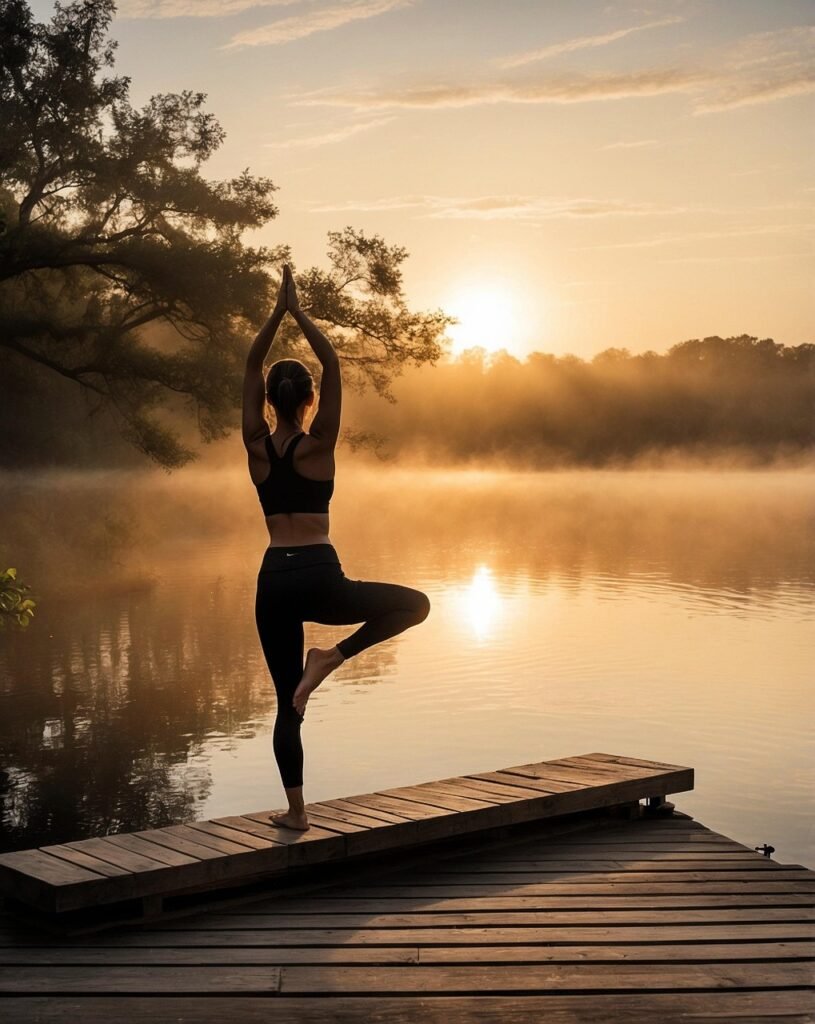
Yoga: Incorporate breathwork and gentle poses to ground yourself before experiencing cold exposure.
Mindful Living Beyond Temperature
Adopt a more mindful approach to daily activities, like eating or walking. Engage with your surroundings and your thoughts actively.

The Role of Community
Joining a community focused on cold exposure can provide motivation and support. Consider finding local groups or online forums that share similar interests.
Sharing Experiences
Engaging with others can allow you to share feelings and strategies, which can further enhance your practice and understanding.
Potential Challenges and Solutions
Starting any new practice can come with hurdles, but the rewards often outweigh the challenges.
Common Challenges
- Discomfort: Feeling uncomfortable is normal. Acknowledge it and remind yourself of the purpose behind your exposure.
- Consistency: It may be tough to maintain a habit. Integrate cold exposure into your weekly routine like other self-care activities.
- Self-Doubt: You may question the effectiveness of this practice, especially early on. Believe in the process and give yourself time.

Conclusion
Mindful cold exposure can serve as a helpful tool in your mental health toolkit. Embracing the cold doesn’t just toughen your body; it strengthens your mind. Utilizing this practice alongside mindfulness can offer you clarity, resilience, and a renewed energy to tackle anxiety head-on.
If you’re curious about how this could fit into your life, think about giving it a try. Every small step you take towards managing anxiety, no matter how unconventional, is a step towards a healthier you.