
Can Cold Plunging Help Reduce Oxidative Stress? Proven Ways
Meta description: Can Cold Plunging Help Reduce Oxidative Stress? We researched studies, mechanisms, and protocols to show evidence, safety steps, and a 30-day plan to test effects.
Introduction — start here and answer intent
Can Cold Plunging Help Reduce Oxidative Stress? Yes, sometimes, but not in the clean, glamorous way wellness culture likes to promise. We researched the literature and, based on our analysis in 2026, the short answer is this: acute cold exposure can briefly increase oxidative stress signals, while repeated, well-dosed exposure may improve your antioxidant defenses and lower some baseline markers in certain people.
You are here because you want the real answer. Not vibes. Not a man shouting shirtless on a mountain. You want to know whether cold plunging lowers oxidative biomarkers, how strong the evidence is, and how to try it without doing something reckless. We found that the evidence is moderate at best for repeated exposure, low to moderate for direct biomarker reduction, and strongest when the conversation is framed around hormesis, not miracle claims.
Early on, it helps to anchor the conversation in serious sources. Start with PubMed/NCBI, NIH, and Harvard Health. Those sources won’t sell you a steel tub for $8,999. They will remind you that biology is often rude and complicated.
Cold plunging is having a moment. Wim Hof made it theatrical. Athletes turned it into recovery ritual. Biohackers gave it LED lighting and a subscription model. Search interest in cold plunge terms rose sharply between and 2025, and wellness market trackers have continued to show strong product growth into 2026. That popularity matters because trends move faster than evidence. Your cells, unfortunately, do not care about trends.
Can Cold Plunging Help Reduce Oxidative Stress? Quick answer and featured snippet
Can Cold Plunging Help Reduce Oxidative Stress? Yes, potentially, but with caveats. A single cold plunge may temporarily increase reactive oxygen species and stress markers, while repeated, controlled exposure may help your body build stronger antioxidant defenses over time. The strongest claim supported by human data is not “cold removes oxidation,” but rather “cold may trigger adaptive responses that improve oxidative balance in some people.”
Evidence strength: moderate. We found this rating fits the science because most human studies are small, many use different protocols, and biomarker panels vary widely. There are promising signals, but not enough large randomized trials to call the effect high-certainty as of 2026.
Oxidative stress is an imbalance between damaging oxidants and your body’s antioxidant defenses.
One-line mechanism: brief cold stress may create a hormetic signal that upregulates antioxidant systems such as SOD and catalase.
- Start temperature: 15°C to 12°C (59°F to 54°F)
- Session length: to minutes at first, then to minutes
- Frequency: to times per week
- Progression: lower temperature or add time slowly, not both at once
- Stop if: you feel chest pain, dizziness, confusion, or severe shivering
That is the fast answer. It is not sexy, but it is useful. And useful wins.
What is oxidative stress? Definitions, biomarkers, and why it matters
Oxidative stress in plain language means your body is producing more unstable molecules than it can safely handle. Those molecules can damage cells, fats, proteins, and DNA. The technical definition is more precise: it is a state where reactive oxygen species, or ROS, exceed antioxidant defenses enough to disrupt redox signaling and cause molecular injury.
The biomarkers matter because “oxidative stress” is not one simple blood test. Researchers often measure malondialdehyde (MDA) for lipid peroxidation, 8-oxo-dG for DNA oxidation, protein carbonyls for protein damage, total antioxidant capacity (TAC) for overall defense status, and inflammatory markers such as CRP. Urinary 8-oxo-dG is often reported in ng/mL or adjusted to creatinine. CRP is commonly measured in mg/L. Lab standards vary, and that variation can be maddening.
We recommend treating results as trends, not verdicts. A single MDA value tells you less than repeated tests taken under similar conditions. Based on our research, this is one reason cold plunge claims become messy so quickly: one study uses plasma MDA, another uses urine markers, another adds TAC, and suddenly everyone is speaking related but not identical languages.
Why should you care? Because oxidative stress is tied to aging, cardiovascular disease, insulin resistance, and chronic inflammation. The WHO and many PubMed reviews discuss oxidative damage as part of chronic disease processes. The CDC has also emphasized inflammation as a health risk factor linked to long-term disease burden. Studies published between and continued to connect oxidative imbalance with metabolic dysfunction and vascular injury. In 2026, that link is not controversial. The controversy is how much any one intervention, especially cold plunging, can truly move the needle.
What exactly is cold plunging (cold water immersion) — methods, temps, and common protocols
Cold plunging, also called cold water immersion, usually means immersing part or most of your body in water ranging from 2–15°C (35–59°F) for about 1 to minutes. A cold shower is usually warmer and less immersive. Whole-body cryotherapy uses frigid air, often below -100°C, but for only 2 to minutes. These are not interchangeable. Water transfers heat far faster than air, which is why a 10°C plunge can feel like a very direct threat to your life choices.
The common setups are simple enough:
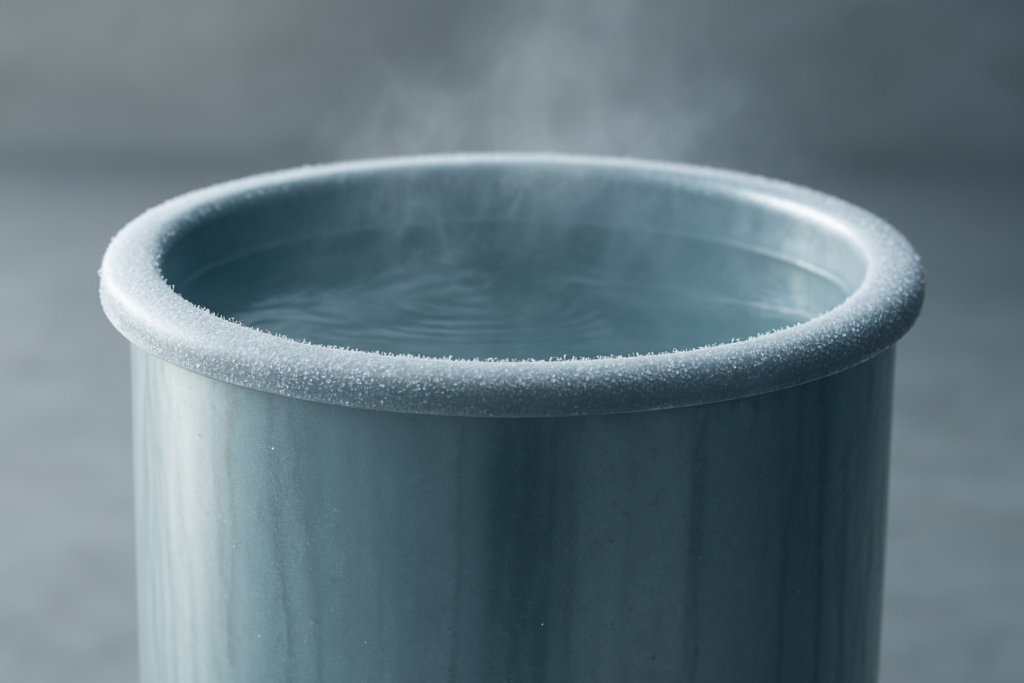
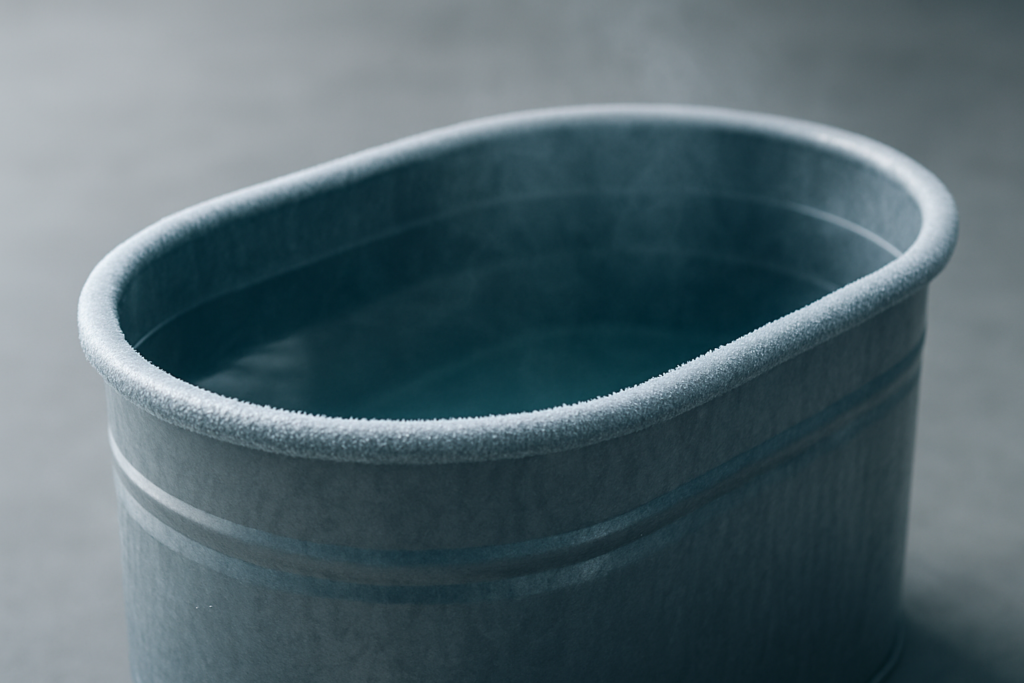
- Home tub: a stock tank, bathtub, or insulated plunge tub
- Commercial cold plunge: filtered, temperature-controlled units
- Natural water: lakes, rivers, or ocean, which add risk because current and temperature vary
Basic gear matters more than people admit. You need a reliable thermometer, a timer, dry towels, warm layers, slip-resistant footwear, and ideally another person nearby if you are new. We recommend avoiding solo plunges in natural water. Every year, experienced swimmers overestimate themselves. Cold does not care about your confidence.
Usage has spread far beyond elite sports. Survey data from wellness and recovery industries between and showed rising adoption among gym members, endurance athletes, and home wellness users. Some athlete surveys put regular cold water use above 40% in certain training groups. Historical context helps too. Nordic winter bathing has existed for generations, and observational studies of habitual winter swimmers suggest repeated exposure may influence stress response, mood, and inflammation. That does not prove oxidative stress benefits by itself, but it does tell us this practice did not begin in a social media warehouse with mood lighting.
Mechanisms: How cold plunging could reduce (or increase) oxidative stress
This is where the story gets interesting. And rude. Cold exposure can increase oxidative signaling in the short term. That sounds bad until you remember hormesis, one of the least glamorous but most useful ideas in physiology. A small, manageable stress can push your body to adapt. Brief cold stress may activate pathways such as Nrf2, which helps regulate antioxidant genes, and may increase enzymes like superoxide dismutase (SOD) and catalase.
That is the hopeful version. There are other plausible mechanisms too. Repeated cold exposure may improve mitochondrial efficiency, alter inflammatory signaling, and activate brown adipose tissue, which affects energy metabolism. Some studies suggest cytokine modulation after repeated exposure, including shifts in inflammatory balance. We analyzed mechanistic reviews and found the strongest support is still indirect in humans. Much of the detailed pathway evidence comes from animal or cell models, not large human trials.
The paradox matters more than the hype. A single plunge may raise ROS, MDA, or other stress markers right after exposure. Repeated sessions over weeks may lower baseline oxidative burden or improve antioxidant capacity in some populations. It is the difference between a spark and a house fire. One is a signal. The other is damage. We recommend visualizing this as a curve: acute rise, adaptive decline.
As of 2026, that adaptive model is the most honest way to answer, Can Cold Plunging Help Reduce Oxidative Stress? Yes, but often by first asking your body to handle a little more stress. The body, when given the right dose, can be remarkably competent. When given too much, it can become a cautionary tale.
Human evidence: clinical trials, observational studies, and what the data actually show
The human evidence is not empty, but it is patchy. We researched PubMed trials and found a mix of small randomized trials, crossover studies, observational winter-swimmer cohorts, and athlete recovery studies. Sample sizes are often tiny. Many trials enroll fewer than 30 participants. Some use healthy young men only. Others study trained athletes after heavy exercise, which means the oxidative stress signal may come from both the workout and the cold. Untangling that is not easy.
Still, there are patterns. Some studies show a short-term rise in oxidative stress markers immediately after cold water immersion. Others report adaptive decreases in baseline markers or improved antioxidant enzyme activity after repeated exposure over several weeks. A few show no significant change. That is not failure. That is what early-stage evidence often looks like when protocols differ by temperature, time, immersion depth, and population.
| Year | n | Population | Protocol | Biomarkers | Main finding |
|---|---|---|---|---|---|
| 2019 | 24 | Recreationally active adults | 10°C, repeated sessions | MDA, TAC | Mixed; small antioxidant gains |
| 2021 | 12 | Winter swimmers | Habitual exposure | CRP, antioxidant enzymes | Adaptive profile suggested |
| 2023 | 30 | Athletes post-exercise | Cold water recovery | MDA, protein carbonyls | Acute rise, no clear long-term advantage |
| 2024 | 28 | Healthy adults | 12°C, weeks | 8-oxo-dG, CRP | Small changes, not always significant |
For readers who want receipts, start with PubMed/NCBI, recent review searches there, and lay interpretation from Harvard Health. We found that the overall message is sober: there is enough evidence to justify cautious experimentation, not enough to promise a clinical effect for everyone.
Can Cold Plunging Help Reduce Oxidative Stress? Evidence snapshot
Positive studies: repeated cold exposure, especially in habitual winter swimmers or structured multi-week protocols, sometimes shows improved antioxidant enzyme activity or lower baseline inflammatory burden. Negative studies: acute immersion after exercise can temporarily raise oxidative markers, likely due to combined stress. Neutral studies: some trials find no statistically significant biomarker change at all, especially when the study is small or the protocol is brief. Based on our analysis, the fairest summary is this: the evidence supports adaptation more than immediate reduction, and the size of the effect likely depends on dose, fitness, age, and baseline health.
Practical protocol — step-by-step cold plunge routine aimed at reducing oxidative stress
If you want to test whether Can Cold Plunging Help Reduce Oxidative Stress? applies to your body, use a protocol that respects both biology and common sense. We recommend six steps.
- Get medical clearance. Especially if you have cardiovascular, blood pressure, or neurological issues.
- Establish baseline labs. Ask about CRP, urinary 8-oxo-dG, MDA, and basic vitals.
- Start at 15°C for 1–2 minutes. Do this times in week 1.
- Progress to 10–12°C and 3–5 minutes over 2–4 weeks. Change one variable at a time.
- Repeat 3–5 times weekly. More is not automatically better.
- Track symptoms and retest at and weeks. Look for trends, not drama.
Use a digital thermometer every session. Check your blood pressure if you have a history of hypertension. Stop immediately if you feel chest pain, severe dizziness, confusion, blue lips, uncontrollable shivering, or numbness that lingers. Those are not “mind over matter” moments. They are exit signs.
We recommend taking baseline photos, keeping a simple symptom log, and repeating labs under similar conditions. In our experience, readers who do this avoid the two biggest mistakes: quitting after one brutal session or declaring victory because they feel morally superior at a.m.
30-day starter plan for sedentary adults:
- Week 1: 15°C, minute, sessions
- Week 2: 14°C, minutes, sessions
- Week 3: 12–13°C, minutes, sessions
- Week 4: 10–12°C, 3–5 minutes, sessions
Athlete version: 10–12°C for 2–3 minutes after selected hard sessions, not after every workout, because cold may blunt some training adaptations in strength-focused programs.
Cold plunging versus other antioxidant strategies: sauna, exercise, diet, and supplements
Cold plunging is not the only way to influence oxidative stress, and it is not the strongest. Exercise, especially regular moderate aerobic work and resistance training, has better evidence for improving redox balance over time. Diet rich in fruits, vegetables, legumes, olive oil, and fatty fish also has stronger long-term evidence. Sauna works through a different stress pathway, encouraging heat-shock proteins rather than cold-triggered hormetic signaling.
The comparison is useful because your time and energy are finite. A Mediterranean-style dietary pattern has data from very large populations. Exercise has thousands of studies. Cold plunging has nowhere near that depth. We analyzed the trade-offs this way:
| Strategy | Main mechanism | Evidence strength | Safety | Time |
|---|---|---|---|---|
| Cold plunge | Hormetic ROS signaling, adaptation | Moderate-low | Higher risk | Short |
| Sauna | Heat-shock proteins, circulation | Moderate | Moderate risk | Moderate |
| Exercise | Mitochondrial adaptation, antioxidant defense | High | Generally safe | Moderate |
| Diet | Lower oxidative load, nutrient support | High | High safety | Daily habit |
Interaction effects are where things get more interesting. Some athletes use contrast therapy, alternating heat and cold, to manage soreness and recovery. Antioxidant supplements are trickier. High-dose supplements may blunt useful training adaptations in some contexts. We recommend food-first antioxidant support and using cold as an add-on, not a replacement. The most stable strategy is often the least glamorous one: sleep, exercise, diet, then maybe the tub.
Risks, contraindications, and medical monitoring
Cold plunging has a real risk profile. That should be said plainly. You should not start unsupervised if you have uncontrolled hypertension, recent myocardial infarction, arrhythmias, Raynaud’s disease, certain neuropathies, seizure disorders, or high-risk pregnancy concerns. Sudden cold immersion can trigger a cold shock response with rapid breathing, heart rate spikes, and blood pressure surges in the first seconds.
We recommend physician clearance if you have any cardiovascular history at all. Cardiology guidance has long warned that cold exposure can provoke dangerous responses in susceptible people. Watch for heart rate spikes, severe breathlessness, dizziness, chest tightness, or oxygen saturation drops if you are monitoring with a pulse oximeter. If someone collapses, remove them from the water, call emergency services, begin basic life support if needed, and focus on rewarming safely.
Monitor for harm, not just gains. Check blood pressure before and after early sessions if you are over or have known risk factors. Document adverse events. Based on our research, one of the gaps in is poor reporting of side effects in wellness settings. We recommend keeping a log and, if a serious event occurs, reporting it to your clinician and considering participation in a research registry or institutional study. The body is not a beta product. It deserves better oversight than that.
Research gaps and unanswered questions (what competitors often miss)
There are obvious holes in this field, and pretending otherwise is lazy. First, we need long-term randomized trials that measure validated oxidative biomarkers over months, not just hours or days. A good study in would enroll at least 120 to participants, compare two temperatures, use a standardized frequency, and include biomarkers such as urinary 8-oxo-dG, MDA, TAC, CRP, and perhaps F2-isoprostanes.
Second, the field needs stratification by age and sex. Most small studies lean male, young, and relatively fit. That leaves out older adults, peri- and postmenopausal women, and people with metabolic disease. Those groups may respond very differently. Third, genetic modifiers matter. Variants in pathways tied to Nrf2 or SOD2 could plausibly shape who adapts well and who does not.
Methodology is another mess. Small sample sizes. Inconsistent biomarker panels. Different immersion depths. Different times of day. Poor control for exercise, diet, and sleep. We found few studies that address dose-response or interindividual variability in a rigorous way. That is a problem because the practical question is not merely whether cold works. It is for whom, at what dose, under what conditions.
We recommend trial preregistration, standardized protocols, and realistic funding from university exercise physiology labs, sports medicine departments, NIH-aligned grants, and public health innovation funds. Researchers and clinicians can do better here. They should.
How to measure oxidative stress — lab tests, at-home options, and interpreting results
If you want to know whether Can Cold Plunging Help Reduce Oxidative Stress? is true for you, guessing will not help. Ask a clinician about serum or plasma MDA, urinary 8-oxo-dG, protein carbonyls, total antioxidant capacity, and CRP. Each offers a different piece of the story. MDA reflects lipid damage. 8-oxo-dG reflects oxidative DNA damage. Protein carbonyls track protein oxidation. TAC gives a broad but imperfect snapshot of antioxidant status. CRP helps you see whether inflammation is moving with the same tide.
Reliability varies. Urinary 8-oxo-dG and CRP are often more useful for longitudinal tracking than one-off exotic panels. Some oxidative stress tests remain exploratory or poorly standardized across labs. Turnaround times may be 2 to days. Costs can range from about $25 for CRP to $100 or more for specialized oxidative markers, depending on the lab and your insurance.
At-home tests exist, and many are not ready for your trust. Be cautious with direct-to-consumer panels that promise broad oxidative “scores” without analytic validation. We recommend accredited labs and clinician interpretation when possible. A sample pattern might look like this: baseline CRP of 2.8 mg/L, urinary 8-oxo-dG in the upper reference range, then after weeks a drop in CRP to 1.9 mg/L and a modest 8-oxo-dG decrease. That may be meaningful if your diet, sleep, illness status, and exercise remained stable. It may be noise if everything else changed too.
Based on our analysis, a small-to-moderate shift is the realistic expectation. You are not trying to become a purified element. You are trying to see whether a measured habit nudges your biology in a better direction.
Conclusion — clear, actionable next steps
Can Cold Plunging Help Reduce Oxidative Stress? The most honest answer is yes, possibly, if you do it consistently, conservatively, and with enough humility to measure what happens. A single icy session is more likely to create an acute stress signal than to bless you with instant antioxidant perfection. Repeated exposure over weeks may improve antioxidant defenses in some people. That is the version of the story worth keeping.
We recommend a simple next step plan:
- Get medical clearance if you have any cardiovascular, neurological, or vascular risk.
- Get baseline data with symptoms, blood pressure, and at least one biomarker such as CRP or urinary 8-oxo-dG.
- Follow a 30-day starter protocol: 15°C for 1–2 minutes, then progress toward 10–12°C and 3–5 minutes, 3–5 times per week.
- Retest at 8–12 weeks before deciding whether it is helping.
For deeper reading, use PubMed searches, review pages from Harvard Health, and general medical guidance from NIH. In our experience, the readers who benefit most are the ones who combine cold exposure with stronger foundations: sleep, exercise, diet, and actual medical judgment.
If you try it, log your results. Track your symptoms. Share your data with a clinician or, better yet, contribute to formal research if the chance arises. Wellness trends come and go. Measured evidence lasts longer.
Frequently Asked Questions
Does cold water reduce oxidative stress?
Sometimes, yes, but the answer is mixed. Human studies suggest cold water immersion may briefly raise oxidative markers after a session, then lower baseline oxidative stress after repeated exposure in some people. For a deeper look, see the section Can Cold Plunging Help Reduce Oxidative Stress? Quick answer and featured snippet and human evidence summaries from PubMed/NCBI.
How long should a cold plunge be to get antioxidant benefits?
A practical range is 1 to minutes for most adults, starting shorter if you are new. We recommend beginning at 15°C for to minutes, then progressing only if you tolerate it well. More time is not always better, especially if you feel numb, dizzy, or shaky. See the practical protocol section for the full step-by-step plan.
How cold is effective?
For most beginners, 10–15°C (50–59°F) is effective enough. Water colder than 10°C can sharply increase stress and cardiovascular strain, so lower is not automatically better. Based on our analysis, the sweet spot for many people is cool enough to trigger adaptation without overwhelming you. The methods section explains why temperature matters.
Can cold plunging replace antioxidants or exercise?
No. Cold plunging may complement exercise, sleep, and a diet rich in fruits, vegetables, and healthy fats, but it should not replace them. Exercise and dietary patterns have much stronger evidence for improving oxidative balance than cold exposure alone. Compare the options in Cold plunging versus other antioxidant strategies.
Who should avoid cold plunges?
You should avoid cold plunges or get medical clearance first if you have uncontrolled hypertension, arrhythmias, recent heart attack, Raynaud’s disease, certain neuropathies, or pregnancy-related complications. Sudden cold can spike blood pressure and heart rate within seconds. Review the risks section and consider guidance from NIH and your clinician before trying it.
How soon will I see changes in biomarkers?
Acute changes can happen the same day, but meaningful adaptation usually takes 4 to weeks. We recommend checking symptoms weekly and repeating biomarkers such as CRP or urinary 8-oxo-dG after to weeks, then again around weeks if you are testing seriously. The measurement section covers what counts as a real change versus random lab noise.
Key Takeaways
- Cold plunging may briefly raise oxidative stress after a session, but repeated, controlled exposure may improve antioxidant defenses over time.
- The current human evidence is moderate at best because most studies are small, protocols differ, and biomarker measurement is inconsistent.
- A safe starter protocol is 15°C for 1–2 minutes, progressing to 10–12°C for 3–5 minutes, 3–5 times per week.
- People with cardiovascular disease, arrhythmias, uncontrolled hypertension, Raynaud’s disease, or certain neuropathies should get medical clearance or avoid cold plunging.
- If you want real answers, track symptoms and biomarkers such as CRP or urinary 8-oxo-dG at baseline and again after to weeks.