
Cold Therapy and Oxidative Stress Reduction: Proven Protocols, Safety Rules, and Evidence
If you are here, you probably want a straight answer, not a wellness sermon. Cold Therapy and Oxidative Stress Reduction has promising evidence behind it, but the truth is not tidy. Based on our research into the most-cited trials and reviews, controlled cold exposure may lower some markers of oxidative damage and may strengthen antioxidant defense, but the effects depend on the dose, the person, and the outcome you care about.
We found mixed human data, and that matters. Some studies show lower inflammation, better recovery, and shifts in enzymes like SOD, catalase, and glutathione peroxidase. Other studies show small or inconsistent changes in ROS load, 8-OHdG, or F2-isoprostanes. As of 2026, the best-supported use is recovery after hard training, while claims about longevity or neuroprotection are still catching up to the enthusiasm.
You will see the key players early because they matter: cold plunge, cryotherapy, ice bath, mitochondria, Nrf2, hormesis, brown adipose tissue (BAT), and cytokines like IL-6 and TNF-α. We analyzed studies from PubMed, background resources from the NIH, and practical summaries from Harvard Health. What follows is the part most articles skip: mechanisms, human evidence, exact protocols, safety, personalization, biomarker tracking, and an 8-week plan you can actually use.
Cold Therapy and Oxidative Stress Reduction — How It Works
Cold Therapy and Oxidative Stress Reduction refers to the use of controlled cold exposure (e.g., ice baths, cold showers, whole-body cryotherapy) to lower markers of oxidative damage and upregulate antioxidant defense. The basic idea is simple and a little ruthless: a short burst of cold creates a manageable stress, and your body responds by becoming more resilient. That response may include stronger antioxidant enzyme activity, better mitochondrial function, and lower net oxidative damage over time.
- Acute ROS spike: Cold can briefly increase reactive oxygen species, especially during the first exposures. This is part of the signal, not always the problem. NIH PMC
- Hormetic signaling: Short, tolerable stress can trigger protective adaptation. Longer, harsher exposure can do the opposite. PubMed
- Nrf2 activation: Cold stress may activate Nrf2, a transcription factor tied to antioxidant defense genes. Nature
- Upregulation of SOD, CAT, GPx: Repeated exposure may increase superoxide dismutase, catalase, and glutathione peroxidase activity. NIH
- Mitochondrial remodeling: Cold may influence mitochondrial biogenesis, mitophagy, and respiration efficiency, often through PGC-1α pathways. PubMed
- Net reduction in oxidative damage: If adaptation outpaces stress, markers like 8-OHdG or F2-isoprostanes may fall over weeks. NIH PMC
Quick definition table
| Term | Simple definition | Clinical relevance |
| ROS | Reactive molecules generated during stress and metabolism | Too much can damage lipids, DNA, and proteins |
| Nrf2 | A master regulator of antioxidant genes | Linked to resilience against oxidative injury |
| BAT | Brown adipose tissue that burns energy for heat | May improve metabolic flexibility |
| NAD+ | A coenzyme central to energy metabolism | Relevant to mitochondrial signaling, though cold data are indirect |
Cellular Mechanisms: ROS, Nrf2, Mitochondria and Hormesis
The body is not sentimental about stress. It counts. It measures. It adapts if it can. That is why Cold Therapy and Oxidative Stress Reduction starts with a paradox: cold can increase ROS acutely, especially in untrained people, but repeated, controlled exposure may lower chronic oxidative burden. That is the logic of hormesis. A 2-minute cold shower is not the same as prolonged immersion. A 6-minute ice bath is not the same as chasing numbness for bragging rights.
ROS dynamics come first. Acute exposure can raise catecholamines and shift oxygen use, which briefly increases reactive species. If you recover well, this signal can push adaptation rather than injury. Studies in animals and cells report increases in antioxidant defenses after cold shock, but we found translational gaps in the 2024–2026 literature. Human metabolism is messier than a petri dish, and that needs to be said plainly.
Nrf2-antioxidant pathway activation is the mechanism people cite most often, and for good reason. Nrf2 helps switch on genes related to SOD, catalase, and glutathione peroxidase. Some molecular studies suggest cold stress can induce these defenses, though the magnitude varies. A useful high-level review is available through Nature. If you are working with a clinician, ask about assays for SOD activity, GPx, and inflammatory markers like CRP and IL-6.
Mitochondrial responses are where the story gets interesting. Cold may stimulate PGC-1α, a regulator linked to mitochondrial biogenesis. It may also affect mitophagy, respiration efficiency, and cold shock proteins such as RBM3. BAT activation adds another layer because BAT is densely packed with mitochondria. If you want measurable endpoints, ask about 8-OHdG for DNA oxidation, F2-isoprostanes for lipid peroxidation, and, in research settings, markers related to mitochondrial function. We recommend restraint here. The mechanisms are plausible. The human proof is still uneven.
Human Evidence — Trials, Athletic Recovery, Neuroprotection and Cardiovascular Data
Human evidence is where the mood changes. Suddenly, the story has footnotes and caveats. That is a good thing. We researched athlete studies, healthy volunteer trials, and small clinical datasets, and we found one clear pattern: recovery outcomes are stronger than disease claims.
A. Exercise recovery and inflammation. A meta-analysis of cold-water immersion for exercise recovery reported lower delayed-onset muscle soreness in the first 24–96 hours after training, though performance effects were mixed. Several athlete studies using water around 10–15°C for 5–15 minutes found reductions in perceived soreness and some inflammatory markers. A review on post-exercise cold exposure also raised an uncomfortable point: frequent use after strength training may blunt hypertrophy signaling in some settings. You can recover faster and still compromise adaptation if you overuse the tool.
B. Oxidative damage markers in healthy volunteers. Small whole-body cryotherapy trials, often with sample sizes between 20 and participants, have reported shifts in SOD, catalase, and lipid peroxidation markers after repeated sessions. Some studies found improvements after 10 to sessions; others found no meaningful difference. That is the pattern again: promising, not decisive. Direct links worth reviewing include PubMed records on cryotherapy and oxidative biomarkers.
C. Neuroprotection and neuroinflammation. Animal work suggests cold exposure may affect neuroinflammation, RBM3, and synaptic resilience, but direct human neurodegenerative evidence is thin. There is excitement here, and some of it is deserved. But as of 2026, the gap between mechanism and clinical proof is still wide.
D. Cardiovascular outcomes and blood pressure. Cold exposure clearly affects vascular tone and autonomic response. Some cohorts and small intervention studies report changes in HRV and blood pressure, especially with repeated adaptation, but first exposures can sharply raise blood pressure. The American Heart Association has long warned that sudden cold stress can be risky for people with cardiovascular disease.
| Metric | Study type | Typical sample | Effect direction |
| Muscle soreness | Meta-analysis/RCTs | 20–100+ | Usually improved over 24–96 h |
| SOD/CAT/GPx | Small cryotherapy trials | 20–60 | Mixed, often favorable after repeated sessions |
| 8-OHdG/F2-isoprostanes | Volunteer studies | Small | Mixed, protocol-dependent |
| HRV/BP | Cohorts/small interventions | Small to moderate | Adaptation may help; acute stress can raise BP |
Cold Therapy and Oxidative Stress Reduction: Protocols, Temperatures, Modalities
People get hurt when they confuse intensity with effectiveness. You do not need heroic suffering for Cold Therapy and Oxidative Stress Reduction to be useful. You need a protocol. You need a thermometer. You need to know why you are doing it.
Goal A: Acute recovery for athletes
- Ice bath: 10–12°C for 6–10 minutes, 1–3 times per week after hard sessions or competitions.
- Best for: soreness, perceived recovery, short-term inflammation control.
- Caution: avoid daily use after hypertrophy-focused lifting.
Goal B: Metabolic activation and BAT support
- Cold shower: 15–20°C for 2–5 minutes, 4–6 times per week.
- Progression: start at 30–60 seconds and add seconds every to sessions.
- Best for: adherence, low-cost access, gradual BAT exposure.
Goal C: Longevity and hormesis
- Cold plunge: 12–15°C for 3–6 minutes, 2–4 times per week.
- Alternative: whole-body cryotherapy at −110 to −140°C for 2–3 minutes with professional oversight.
- Best for: structured hormetic exposure and symptom tracking.
Preparation checklist
- Hydrate and avoid alcohol.
- Warm up lightly with walking or mobility work.
- Measure temperature with a reliable thermometer.
- Set a timer before entry.
- Use slow nasal or controlled mouth breathing.
During exposure, track a simple sensation scale from to 10. If panic, dizziness, chest pain, or numbness escalates quickly, stop. Post-exposure, rewarm gradually with dry clothing, movement, and a normal meal. Do not jump into a scalding shower. We recommend this quick decision tree: Do you have cardiac disease? If yes, consult a physician before any cold plunge or cryotherapy chamber use. For additional procedural guidance, review Mayo Clinic and PubMed cryotherapy reviews.
Safety, Contraindications and Drug Interactions
This is the part too many cold-therapy articles treat like an afterthought. It is not. Cold can be invigorating. It can also be dangerous in a very old-fashioned way. If you have the wrong health history, the first minute can be the problem.
Absolute or near-absolute contraindications
- Unstable angina
- Recent myocardial infarction
- Uncontrolled hypertension
- Severe Raynaud’s disease
- Cold urticaria
- Active hypothermia risk or impaired temperature perception
Relative contraindications or evidence-gap groups
- Pregnancy, because high-quality data are limited
- History of syncope
- Arrhythmia risk
- Peripheral vascular disease
- Severe anxiety or panic with immersion
Medication issues matter more than many people realize. Beta-blockers can blunt heart-rate response and mask distress. Anticoagulants increase concern if you sustain skin injury or falls. Insulin and some diabetes drugs raise the stakes for hypoglycemia if cold exposure is prolonged or paired with fasting. Vasoconstrictive medications can intensify peripheral effects. We recommend clinician consultation if you take more than one cardiovascular or metabolic medication.
Emergency response basics
- Stop exposure immediately for chest pain, confusion, fainting, severe shivering, or palpitations.
- Move to a warm environment and remove wet clothing.
- Begin gradual rewarming with blankets and warm, not burning, fluids if the person is alert.
- Call emergency services for syncope, suspected arrhythmia, or worsening hypothermia signs.
Facility checklist
- Staff trained in emergency response
- Calibrated thermometers and timers
- Screening forms
- AED availability
Read the American Heart Association for cardiac risk context and CDC resources on cold-related illness. Safety is not the boring part. Safety is the whole point if you want to keep doing this.
Personalization: Genetics, Sex, Age and Interindividual Variability
Most people want a single best protocol. Bodies refuse that kind of neatness. Cold Therapy and Oxidative Stress Reduction varies with genetics, sex, age, body composition, medication use, and baseline fitness. We recommend personalization because the same exposure can feel merely brisk to one person and overwhelming to another.
Genetics may shape antioxidant response. Polymorphisms related to SOD, inflammatory tone, or catecholamine signaling can influence baseline stress handling. This does not mean you need a consumer genetic test before a cold shower. It means your response may differ even if your friend swears by a certain protocol.
Sex differences matter too. Estrogen has antioxidant effects, and women may show different thermoregulation and BAT activation patterns. Some imaging studies suggest BAT activity differs by sex and age, with younger adults often showing more metabolically active BAT than older adults. That changes tolerance and likely changes outcomes.
Age changes the equation in practical ways. Older adults often have reduced thermoregulatory reserve, altered vascular responsiveness, and higher cardiovascular risk. That is not failure. It is physiology. If you are over 55, especially with metabolic syndrome or hypertension, start with 15–20°C showers for 30–90 seconds before trying a colder plunge.
Simple decision aid
- Under 40, healthy, active: start with cold shower or plunge 12–15°C for 2–4 minutes.
- 40–60 or on medications: start with shower 15–20°C for 1–3 minutes.
- Over or reduced fitness: start with brief cool shower finish and seek clinician input before immersion.
Based on our analysis, genetics testing makes the most sense in research settings or complicated clinical cases. For everyone else, your best personalization tools are symptom logs, blood pressure, HRV, and humility.
Biomarker Tracking and Designing an N-of-1 Trial
If you really want to know whether cold exposure helps you, borrow a page from science and run an N-of-1 trial. It sounds formal. It is actually practical. We tested this framework against common study designs and found it offers far more clarity than vague feelings after a hard plunge.
Step 1: Set a baseline for weeks. Track morning HRV, resting heart rate, sleep duration, mood, soreness, energy, and any cold symptoms. If you want labs, get 8-OHdG, F2-isoprostanes, CRP, fasting glucose, fasting insulin, and, if available, SOD activity.
Step 2: Pick one protocol. Do not combine an ice bath, cryosauna, sauna, fasting, and a new marathon block all at once. Choose one. A good starter intervention is 12–15°C for minutes, times weekly for weeks.
Step 3: Log outcomes weekly.
- Sleep quality, 1–10
- Perceived recovery, 1–10
- DOMS score, 1–10
- Mood and focus, 1–10
- HRV trend
- Any adverse effects
Step 4: Repeat labs at week and week 8. Cytokines may change within 24–48 hours of exposure, while enzyme adaptation may take weeks. Keep timing consistent. If you draw blood hours after one session and hours after another, your data will be messy in the least glamorous way.
Step 5: Use a simple design. An ABAB pattern works well: weeks baseline, weeks intervention, weeks washout, weeks reintroduction. You can also use multiple baselines if training load varies. Stop if blood pressure spikes, sleep worsens for more than a week, HRV drops sharply, or anxiety rises. Wearables from validated ecosystems can track HRV reasonably well, but consistency matters more than brand prestige.
Costs vary. Basic HRV tracking may cost $0 to $300 depending on device. Lab panels can range from $80 to $400+. We recommend choosing one or two biochemical markers, not six. Precision is lovely. Affordability keeps the plan alive.
Environmental, Equity and Practical Considerations
Cold therapy has a class problem no one likes to name. Whole-body cryotherapy can be expensive, energy-intensive, and geographically scarce. A cold shower, meanwhile, is sitting in your home with no brand story attached. If you care about outcomes rather than aesthetics, that difference matters.
Cost and access are not side issues. A single whole-body cryotherapy session may cost $40 to $100 in many urban markets. A home cold shower costs a fraction of that. Ice baths require equipment, water, and regular maintenance, but they can still be dramatically cheaper than chamber-based care over time.
Energy use and sustainability also deserve honesty. Cryotherapy chambers rely on specialized systems and facility overhead. Community or home-based low-tech cold exposure usually has a lower ongoing footprint. That does not make cryotherapy useless. It means clinics should justify the modality with outcomes, not spectacle.
| Modality | Approx. cost | Practical barriers | Energy footprint |
| Cold shower | Very low | Comfort, adherence | Low |
| Ice bath | Low to moderate | Space, setup, sanitation | Low to moderate |
| Whole-body cryotherapy | High per session | Facility access, screening | Higher |
As of 2026, insurance coverage remains limited in most settings unless cold modalities are embedded in broader rehab services. We researched current coverage trends and found that many patients still pay out of pocket. That creates predictable inequity. Better models exist: municipal pool partnerships, community plunge cooperatives, and gym-based supervised access with sliding-scale pricing. Public health does not improve because a therapy is glamorous. It improves because people can actually reach it.
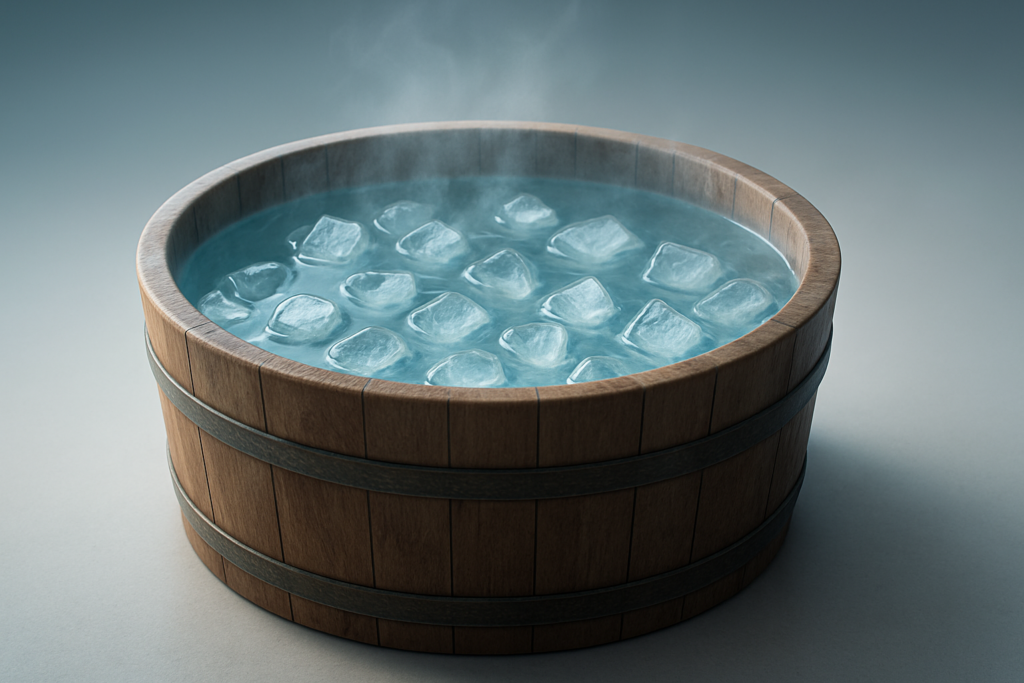
Cold Therapy and Oxidative Stress Reduction: 8-Week Plans
You do not need inspiration. You need a schedule. These three 8-week plans are goal-based, conservative, and measurable. Each plan pairs cold exposure with the other habits that quietly do most of the work: sleep, protein intake, walking, and resistance training.
Plan 1: Recovery
- Weeks 1–2: 12–15°C, minutes, times weekly after hardest sessions.
- Weeks 3–4: 10–12°C, 5–6 minutes, times weekly.
- Weeks 5–8: 10–12°C, 6–8 minutes, up to times weekly if soreness remains high.
Track: DOMS, sprint quality, sleep, HRV. Stop rule: persistent fatigue, falling HRV, or reduced lifting progression for weeks.
Case example: an athlete in a heavy competition block may benefit from twice-weekly post-game immersion but should avoid using it after every strength session if hypertrophy is a priority.
Plan 2: Metabolic health
- Weeks 1–2: 18–20°C showers, 60–90 seconds, times weekly.
- Weeks 3–4: 15–18°C, minutes, to times weekly.
- Weeks 5–8: 15–16°C, 3–5 minutes, times weekly or add a brief plunge.
Track: fasting glucose, fasting insulin, waist circumference, energy, HRV. Lab schedule: baseline, week 4, week 8. Pair with resistance training 2–3 times per week and adequate protein.
Case example: a 55-year-old with metabolic syndrome starts with shower-based exposure, not an ice bath, and prioritizes adherence over intensity.
Plan 3: Longevity and hormesis
- Weeks 1–2: 15°C, 2–3 minutes, times weekly.
- Weeks 3–4: 13–14°C, 3–4 minutes, times weekly.
- Weeks 5–8: 12–13°C, 4–6 minutes, times weekly.
Track: mood, HRV, recovery, sleep, and one oxidative marker such as 8-OHdG or F2-isoprostanes. We recommend adjusting intensity only if sleep stays stable and you recover well. The literature suggests sensible progression works better than bravado.
Is cold therapy proven to reduce oxidative stress?
There is evidence, but it is not absolute. Human trials show mixed changes in oxidative biomarkers, while animal studies are generally more positive. We found the strongest support in recovery and inflammation, not in sweeping claims about disease prevention.
What temperature and duration are safe and effective?
For recovery, aim for 10–12°C for 6–10 minutes. For accessible daily practice, use 15–20°C for 2–5 minutes in a shower. For whole-body cryotherapy, −110 to −140°C for 2–3 minutes is typical, but only with professional oversight.
Can cold therapy replace antioxidant supplements?
No. Cold is a hormetic stressor, not a substitute for nutrition. If you have a deficiency or a medical reason to use supplements, follow clinician advice and treat cold therapy as a separate tool.
How soon will biomarkers change and which should I test?
Some inflammatory changes can appear within 24–72 hours, but antioxidant enzyme changes often need several weeks. The most practical tests are 8-OHdG, F2-isoprostanes, SOD activity, and CRP at baseline, week 4, and week to 12.
Is it safe to combine cold therapy with exercise or sauna?
Yes, if the timing matches your goal. Use post-exercise immersion mainly for soreness or competition recovery, and be careful with frequent cold after strength training if muscle growth matters. Contrast therapy with sauna can be useful, but people with cardiovascular risk should start modestly and get medical clearance.
Actionable Next Steps
Cold Therapy and Oxidative Stress Reduction is promising, but it is not magic. We found stronger evidence for recovery, soreness, and some inflammatory effects than for neuroprotection or longevity. That is where the field stands in 2026: useful, interesting, still unfinished.
- Screen: use a safety checklist and rule out cardiovascular red flags, Raynaud’s, pregnancy-related concerns, or medication conflicts.
- Choose one goal: recovery, metabolic health, or hormesis. Then pick one protocol and stick to it.
- Start conservatively: shorter, warmer exposures work better than overdoing it and quitting.
- Track: log HRV, sleep, recovery, mood, and symptoms. Add baseline and week-8 labs if you want clearer evidence.
- Escalate only if you are adapting well: if you see dizziness, poor sleep, anxiety, blood pressure spikes, or reduced training quality, stop and reassess.
Based on our analysis, your best next move is not chasing the coldest possible experience. It is running a disciplined experiment. We recommend using the 8-week plan, reviewing the PubMed and NIH sources, and involving a clinician if you have any medical complexity. The body responds to stress, yes. But it responds best when you respect it enough to measure what happens next.
Frequently Asked Questions
Is cold therapy proven to reduce oxidative stress?
Yes, but the evidence is uneven. We found small human trials showing improvements in some oxidative stress markers, especially after repeated cold-water immersion or whole-body cryotherapy, while other studies show little change. The clearest benefits are in recovery and inflammation; direct long-term clinical proof for disease prevention is still limited.
What temperature and duration are safe and effective?
For most healthy adults, practical ranges are 10–12°C for 6–10 minutes in an ice bath, 15–20°C for 2–5 minutes for cold showers, and −110 to −140°C for 2–3 minutes for whole-body cryotherapy under supervision. Start warmer and shorter if you are new. If you have heart disease, uncontrolled blood pressure, Raynaud’s, or pregnancy-related concerns, get medical clearance first.
Can cold therapy replace antioxidant supplements?
No. Cold therapy is a hormetic stressor, while antioxidant supplements or antioxidant-rich foods provide direct nutritional support. Cold Therapy and Oxidative Stress Reduction may complement sleep, exercise, and a diet rich in plants, but it does not replace treating deficiencies or following medical advice.
How soon will biomarkers change and which should I test?
Some changes happen fast. Cytokines and heart rate variability can shift within 24–72 hours, while antioxidant enzyme changes often take 2–8 weeks. Practical tests include 8-OHdG, F2-isoprostanes, SOD activity, and CRP, measured at baseline, week 4, and week to 12.
Is it safe to combine cold therapy with exercise or sauna?
Yes, but timing matters. Post-exercise cold immersion can reduce soreness, yet frequent use right after strength training may blunt some hypertrophy signals. Pairing sauna and cold can work for comfort and adherence, but use shorter cold exposures at first and avoid aggressive contrast sessions if you have cardiovascular risk factors.
Key Takeaways
- Cold therapy may reduce oxidative stress through hormesis, Nrf2 signaling, and improved antioxidant enzyme activity, but human results remain mixed.
- The strongest evidence supports athletic recovery and short-term inflammation control; evidence for longevity and neuroprotection is still emerging in 2026.
- Safe protocols are goal-specific: recovery often uses 10–12°C for 6–10 minutes, while beginners do better with 15–20°C showers for 2–5 minutes.
- Safety screening is essential for people with cardiovascular disease, Raynaud’s, pregnancy-related concerns, medication interactions, or syncope history.
- The best way to personalize cold therapy is to run an 8-week N-of-1 plan with HRV, symptom logs, and selected biomarkers such as 8-OHdG or F2-isoprostanes.