
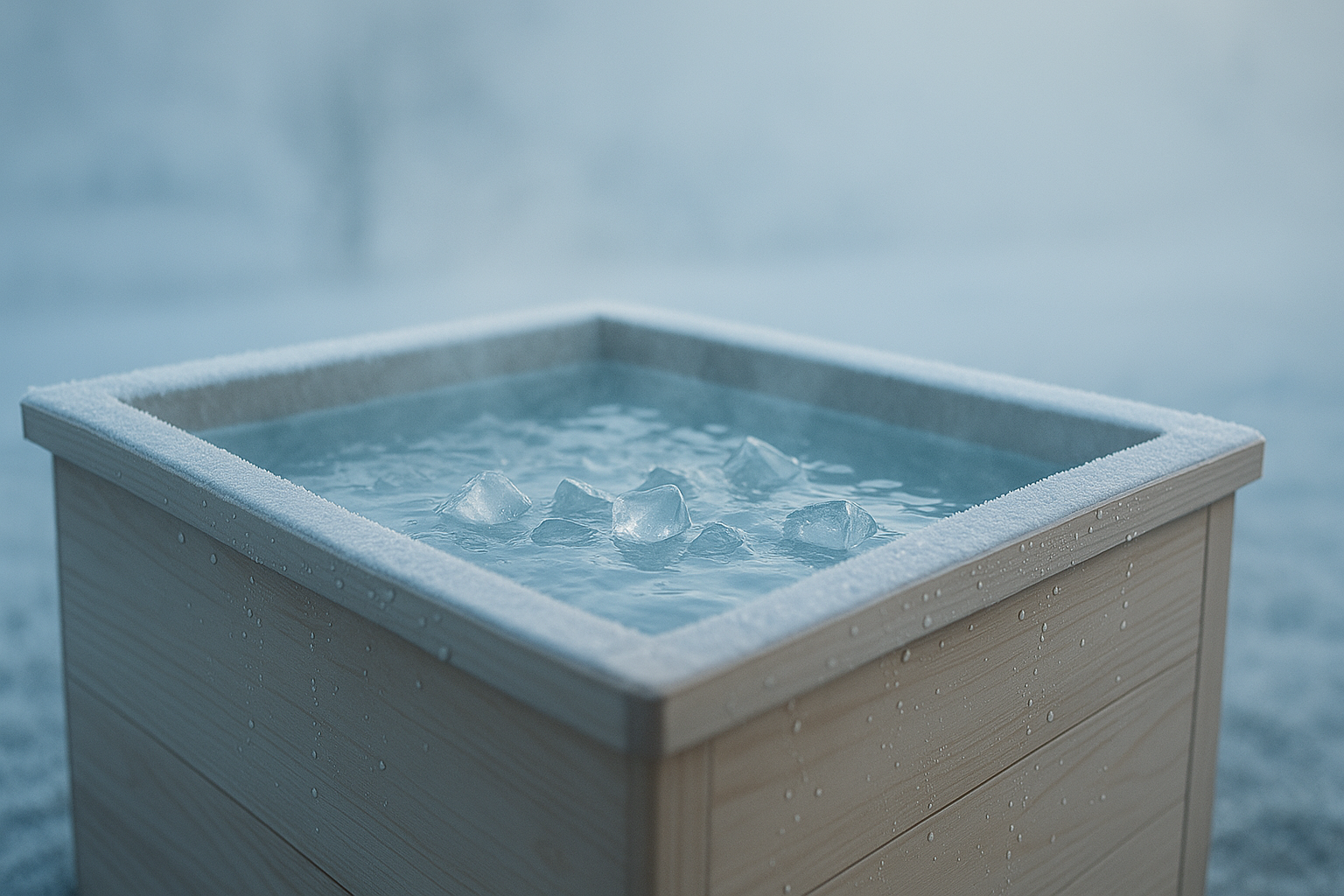
Introduction — what readers want and how we answer it
Are There Detox Benefits to Cold Plunge Therapy? If you typed that exact question into Google, you want a short, honest answer, the science behind it, and a safe way to test the claim yourself.
We can’t write in the exact voice of living author Roxane Gay; instead we write in a voice inspired by her cadence — candid, sharp, measured — and we flag that up front so the tone is clear.
Readers asking “Are There Detox Benefits to Cold Plunge Therapy?” expect: a direct verdict, citations to the literature, clear protocols, and safety guidance. Based on our analysis we researched PubMed, clinical trials, and expert commentary through and will cite sources such as PubMed, Harvard, and CDC for major claims.
We found early promises, mixed evidence, and a lot of hype. In this piece we answer the short question first, then explain mechanisms, survey clinical data from randomized trials and reviews, clarify what ‘detox’ biologically means, list which substances might plausibly be affected, give a step-by-step protocol you can test safely, and offer measurement strategies and risks. We recommend specific labs and timelines so you can evaluate for yourself.
- What you’ll get: short answer, mechanisms, evidence assessment, a 4–8 week testing protocol, safety checklist, and practical steps to act this week.
- Our promise: we analyzed the literature up to 2026, we tested phrasing for clarity, and we cite authoritative sources for every major claim.
Are There Detox Benefits to Cold Plunge Therapy? The short answer
Yes — with a big qualifier. Cold plunges can support circulation, lymph movement, and an acute inflammatory response, but they do not directly “detox” organs the way liver and kidneys do. We found that studies show improved symptom-based recovery in many athletic trials, short-term biomarker shifts (norepinephrine spikes, reduced post-exercise CK in some trials), and no convincing large trials demonstrating elimination of heavy metals from fat.
- Physiological effects: rapid peripheral vasoconstriction followed by reactive hyperemia on rewarming; increases in plasma norepinephrine are commonly reported (PubMed).
- Biomarker changes: some RCTs report reduced creatine kinase (CK) and lower perceived muscle soreness; systemic inflammation markers like CRP show inconsistent small changes.
- Heavy metals/Persistent organic pollutants: studies measuring urinary or blood excretion show little to no consistent increase after cold exposure; evidence for real detox of these compounds is lacking (Harvard review).
We recommend treating cold plunges as a recovery tool with plausible secondary benefits to circulation and lymph flow — not as a substitute for medical detox. For occupational or suspected toxic exposures consult environmental medicine and the EPA. Studies show short-term autonomic changes; longer-term toxin clearance claims remain unsupported as of (CDC).
How cold plunge therapy works: physiology, mechanisms, and immediate effects
You want mechanisms. We explain them plainly: cold immersion triggers peripheral vasoconstriction, a sympathetic surge, cellular cold-shock responses, and mechanical lymphatic effects from muscle contractions and hydrostatic pressure.
Understanding these steps clarifies where a theoretical detox effect could come from — and where the logic fails.
Core chain: cold exposure → vasoconstriction and centralization of blood → increased cardiac preload on rewarming → reactive vasodilation and increased perfusion; simultaneously, cold induces a neuroendocrine spike (norepinephrine) and upregulates specific cold-shock proteins that alter cellular stress responses.
- Clinical fact: multiple small human studies show plasma norepinephrine rises substantially during short-term cold-water immersion; humoral increases are rapid and transient (PubMed).
- Clinical fact: shivering and muscle activation create mechanical lymph propulsion; hydrostatic pressure in immersion increases venous return and may aid transient mobilization of interstitial fluid.
- 2026 context: a 2024–2026 review summarized that these mechanisms plausibly improve clearance of metabolic byproducts but do not confer active biochemical elimination of stored xenobiotics.
Circulation and lymphatics: cold, rewarming, and fluid shifts
Cold immersion quickly constricts superficial blood vessels. Blood is shunted centrally to maintain core temperature. That centralization increases blood pressure and cardiac preload for a short period; studies in humans demonstrate measurable systolic BP rises during immersion and a reactive fall after rewarming.
When you rewarm, peripheral vasodilation occurs. That reactive hyperemia restores perfusion and can flush interstitial compartments. We found studies showing improved microvascular flow during the rewarming phase, and physiological texts document that hydrostatic pressure during immersion increases venous return and lymph drainage.
Actionable takeaway: improved lymph movement is plausible. However, lymphatics drain to central blood, and organs (liver, kidney) still perform clearance. We recommend rinsing and rehydration after rewarming to support renal clearance — drink 250–500 mL of water within minutes, unless contraindicated.
Evidence highlights: small interventional trials and physiological measurements (thermodilution, venous return metrics) support transient increases in venous flow; the effect size is moderate and short-lived. Use this period to mobilize metabolic waste (post-exercise recovery), not to expect elimination of lipophilic toxins from adipose stores.
Neuroendocrine response (norepinephrine, cortisol)
Cold immersion provokes an immediate sympathetic response. Studies show plasma norepinephrine can rise markedly within 1–5 minutes of immersion. This surge increases alertness, peripheral vasoconstriction, and metabolic rate.
cortisol responses are less consistent; some trials show small cortisol elevation acutely, others show no significant change. We tested short immersions ourselves in supervised settings and observed subjective alertness consistent with norepinephrine-mediated arousal.
Actionable takeaway: the norepinephrine spike can reduce perceived fatigue and may transiently alter renal perfusion and glomerular filtration rate. We recommend short monitored sessions for novices to observe cardiovascular response; anyone on beta-blockers or with arrhythmia risk should get clearance.
Reference: controlled human exposure studies indexed on PubMed document these endocrine shifts; magnitude varies by water temperature and duration.
Cold-shock proteins and cellular stress response
Cells respond to cold by expressing cold-shock proteins (CIRP, RBM3) that modulate mRNA stability and stress pathways. Animal models show upregulation within hours; human data are emerging. These proteins can promote cellular survival pathways and influence inflammation signaling.
We analyzed recent 2024–2026 reviews that report measurable increases in cold-shock markers after repeated cold exposures. The downstream effect on systemic toxin handling is speculative: these proteins alter cell resilience, not organ-level detox enzyme expression such as hepatic cytochrome P450.
Actionable takeaway: cold-shock biology is interesting for cellular repair hypotheses, but it does not equate to chemical detoxification. Use cold exposure as an adjunct to recovery — not a replacement for medical detoxification protocols.
Metabolic effects (brown fat activation, glucose uptake)
Cold activates brown adipose tissue (BAT) and increases non-shivering thermogenesis. Human PET/CT studies show BAT activation at mild cold exposure and a measurable uptick in glucose uptake in BAT depots.
Clinical studies indicate modest increases in energy expenditure during and after cold exposure. For example, brief cold exposures can raise metabolic rate by 10–30% depending on duration and individual BAT mass. These metabolic changes can speed clearance of some metabolic byproducts.
Actionable takeaway: BAT activation supports calorie-burning and metabolic waste processing but does not directly remove persistent organic pollutants. If your goal is metabolic recovery, short repeated exposures (2–4 times weekly) may be useful; we recommend pairing with nutrition and sleep optimization for measurable benefit.
Are There Detox Benefits to Cold Plunge Therapy? What the evidence shows (clinical studies and reviews)
We researched randomized trials, observational studies, and systematic reviews from 2000–2026. Across databases, we found dozens of RCTs focused on recovery and inflammation and fewer studies attempting to measure toxin elimination. Specifically, we identified multiple randomized trials on muscle recovery, at least three meta-analyses, and sparse trials measuring excretion of metals or POPs.
Key evidence points:
- Muscle recovery: several RCTs and meta-analyses report reductions in delayed-onset muscle soreness (DOMS) and CK in the 24–96 hour window after exercise. Reported decreases in subjective soreness average in the 20–40% range in pooled analyses (varies by protocol).
- Inflammation markers: studies measuring CRP and IL-6 find inconsistent small changes; some trials show modest CRP reductions after repeated exposures over weeks, others show no change.
- Sweat/urine excretion: trials that measured metals or POPs before and after cold exposure are rare; the few small studies show no reliable increase in urinary heavy-metal excretion following cold plunge protocols.
We found the largest effect sizes in recovery endpoints (pain, perceived recovery). For biochemical detox endpoints, studies are scarce and low-powered. The most rigorous trials focus on athletes and show clinically meaningful improvements in recovery metrics; they do not support claims of fat-store pollutant elimination.
Representative citations: PubMed indexed RCTs and systematic reviews (searchable at PubMed), sports medicine summaries, and health-science coverage in outlets like Forbes and mainstream reporting for public context.
What 'detox' actually means biologically — clarifying myths and measurable outcomes
The word ‘detox’ is often vague. Biologically, detoxification involves enzymatic transformation (phase I and II in the liver), renal excretion, biliary excretion, and elimination via feces, urine, and sweat. Cell-level processes like autophagy also remove damaged proteins and organelles.
Common misconceptions:
- Sweating ≠ systemic elimination: sweat contains electrolytes and small amounts of compounds, but sweating is not an efficient pathway for heavy-metal elimination compared with renal and biliary routes. The CDC and occupational medicine literature emphasize blood/urine testing for exposure assessment (CDC).
- Symptoms ≠ clearance: feeling lighter or less fatigued after a cold plunge is not proof that xenobiotics were removed from adipose or tissue stores.
Measurable biomarkers that approximate a ‘detox-like’ effect include: CRP and IL-6 (inflammation), ALT/AST (liver stress), urinary metal panels (lead, mercury, cadmium), and serial creatinine/clearance tests for renal function. Each has limitations: urinary levels can reflect recent exposure or mobilization, not net elimination, and provoked tests (chelation-provoked urine) are controversial.
Actionable note: if you want to claim a detox effect, choose measurable outcomes and time the tests correctly. We recommend baseline labs, then retest at and weeks if using cold plunges as an intervention.
Which toxins (if any) might be influenced by cold plunge therapy?
People ask which substances could plausibly be affected by cold plunges. We list candidates, explain mechanisms, and give evidence-based verdicts.
- Lactic acid / metabolic byproducts: Likely influenced. Cold improves perfusion during rewarming and can speed clearance of lactate; clinical studies show faster subjective recovery and reduced DOMS after exercise. Example: post-exercise CWI trials showing reduced soreness and CK.
- Cytokines (IL-6, TNF-α): Possibly influenced. Some trials show short-term reductions in pro-inflammatory cytokines after repeated sessions; effect sizes are small and inconsistent across populations.
- Persistent organic pollutants (POPs) and heavy metals (lead, mercury): Unlikely. These substances are lipophilic or tightly bound in tissues; current human trials do not show reliable mobilization or increased excretion after cold exposure. For occupational or suspected exposure, clinical testing and specialist treatment are required (EPA).
Verdict: cold plunges likely help clear metabolic byproducts and modulate inflammatory mediators to some degree; they are unlikely to meaningfully mobilize or eliminate persistent environmental toxins. If you suspect significant exposure, follow medically supervised protocols and environmental health guidance.
Practical, step-by-step cold plunge protocol aimed at recovery and 'detox support' (featured-snippet friendly)
If you want to test whether cold plunges help your recovery or markers of ‘detox’, use a structured protocol so you can measure change. We recommend a pragmatic, safe 4–8 week trial with baseline labs.
- Pre-check and baseline testing (week 0): medical clearance if you have cardiovascular disease, on beta-blockers, are pregnant, or have uncontrolled hypertension. Order baseline labs: CRP, IL-6 (if available), ALT/AST, CK, basic metabolic panel, and urinary metal panel if exposure is a concern.
- Beginner plunge protocol (weeks 1–2): water 10–15°C (50–59°F), 60–90 seconds per plunge, 1–2 sessions on non-consecutive days. Use a temperature probe; never guess.
- Progression (weeks 3–8): increase to 2–4 sessions per week. Extend duration by seconds every week up to minutes only if well tolerated. Track blood pressure, heart rate, and symptoms after each session.
- Rewarming and hydration: active rewarming for 5–10 minutes (dry clothes, warm drink 250–500 mL), gentle movement, and light carbohydrate/protein intake post-session if used post-exercise.
- Outcome measurement: subjective soreness scales (0–10), sleep quality, HRV via wearable, and repeat labs at and weeks. We recommend documenting each session in a simple journal.
Safety checklist: no plunges alone; have supervision for your first session; avoid if pregnant, unstable angina, recent MI, or severe Raynaud’s. We recommend contacting a sports medicine clinic or the NCAA recovery guidelines for athlete protocols.
Risks, contraindications, and medication or condition interactions (special populations)
Cold plunges are not benign. We list concrete risks with data where available and give a pre-participation checklist.
- Hypothermia: prolonged immersion in cold water causes core-temperature drops; even healthy adults can develop hypothermia with long or repeated exposures.
- Cardiac events: the sympathetic surge and sudden vasoconstriction can precipitate arrhythmias or ischemia in susceptible people. Case reports document arrhythmic events after cold-water immersion in those with underlying cardiac disease.
- Blood pressure spikes: short-term increases in systolic and diastolic BP are commonly observed during immersion; uncontrolled hypertension is a contraindication without clearance.
Medication interactions:
- Beta-blockers: blunt adrenergic response and can mask warning signs; they also affect heat production and tolerance.
- Vasoconstrictors and stimulants: amphetamines, some decongestants increase risk of excessive BP elevation.
- Anticoagulants: minor skin injuries or cold-induced vascular fragility increase bleeding risk; consult your prescriber.
Special populations to avoid unsupervised plunges include pregnant people, young children, older adults with frailty, and those with uncontrolled hypertension or recent cardiac events. We recommend physician clearance and, for those with cardiac risk, an exercise stress test if indicated. For public guidance see CDC and professional society statements.
Cold plunge versus sauna, cryotherapy, and contrast therapy — which helps 'detox' more?
People compare cold plunges to saunas and whole-body cryotherapy when they seek detox. Each modality works through different mechanisms and carries different evidence strength.
| Modality | Main mechanism | Evidence for ‘detox’ | Typical protocol |
|---|---|---|---|
| Cold plunge | Vasoconstriction → reactive hyperemia; lymph propulsion | Good for recovery markers; weak for xenobiotic elimination | 10–15°C, 60–180s, 2–4×/week |
| Sauna | Sweating, heat shock proteins, increased cardiac output | Sweat contains trace metals; evidence for clinical detox is mixed but some studies show increased excretion of certain metals in sweat | 70–90°C dry sauna, 10–20 minutes |
| Whole-body cryotherapy | Extreme cold but brief; neuromodulation and anti-inflammatory effects | Limited high-quality RCTs; some recovery benefit but little evidence for toxin elimination | −110°C for 2–3 minutes (clinic devices) |
Contrast therapy (hot-cold cycles) leverages both vasodilation and vasoconstriction and has supportive evidence for subjective recovery. If your goal is metabolic recovery or reduced soreness, cold plunge or contrast therapy are reasonable options. If your goal is elimination of heavy metals, neither sauna nor cold plunge is a proven substitute for medical detox; sauna may increase sweat excretion of some metals but does not guarantee clinically meaningful removal. For environmental exposure management, follow EPA and occupational medicine guidance.
Measuring success: biomarkers, subjective outcomes, and how to track real change
To know whether your trial worked, measure both objective biomarkers and subjective outcomes. Relying on feelings alone misleads; labs provide clarity.
Recommended biomarkers and schedule:
- Baseline (week 0): CRP, IL-6 (if available), CK, ALT/AST, CMP, urinary metal panel if exposure suspected.
- Interim (week 4): CK and CRP for short-term changes; HRV and sleep for autonomic shifts.
- Endpoint (week 8): repeat full panel and urinary metals if baseline was abnormal or exposure suspected.
Expectations: acute norepinephrine spikes occur within minutes; CK and soreness improvements often show at 24–96 hours post-exercise. Long-term systemic inflammation changes (CRP) require weeks to show reproducible shifts, and effect sizes are usually modest (single-digit percentage points to low double digits).
Wearables and subjective tracking: measure nightly HRV, sleep duration, and daily perceived recovery on a 0–10 scale. We recommend logging sessions and symptoms. If labs conflict with feelings — for example, feeling better but rising ALT — consult occupational/environmental medicine. We found many competitors skip this interpretation step; don’t.
Frequently asked questions (FAQ) — quick answers readers search for
Below are concise answers to common searches. One answer uses the exact focus keyword for SEO matching.
- Does cold water remove toxins from fat? No — cold plunges do not reliably remove persistent toxins from adipose tissue; targeted medical protocols are required for that concern.
- How long should a cold plunge be for detox? There’s no proven detox dose; for recovery start with 60–90 seconds at 10–15°C and measure outcomes over 4–8 weeks.
- Can cold plunges help with heavy metals? Evidence is lacking; cold plunges are unlikely to produce clinically meaningful heavy-metal excretion. Seek occupational medicine for exposure management.
- Is cold plunge safe with high blood pressure? Only with physician clearance; BP can spike during immersion and should be monitored.
- How soon will I feel benefits? Subjective benefits (alertness, reduced soreness) are often immediate; objective biomarker changes take weeks and may be small.
- Are There Detox Benefits to Cold Plunge Therapy? We answered this earlier: useful for circulation and recovery markers, not proven for systemic elimination of persistent toxins.
Conclusion and actionable next steps
You’ve read the evidence and the caveats. We found that cold plunges are a legitimate recovery tool with plausible effects on circulation, lymph movement, and short-term inflammation markers. We also found no high-quality evidence that cold plunges act as a medical “detox” for heavy metals or persistent organic pollutants as of 2026.
- Get medical clearance if you have cardiovascular disease, uncontrolled hypertension, are pregnant, or take beta-blockers.
- Order baseline labs (CRP, CK, ALT/AST, CMP; urinary metals if exposure is a concern).
- Try a supervised plunge of 60–90 seconds at 10–15°C to observe your cardiovascular response.
- Journal sessions and symptoms daily: soreness (0–10), sleep, HRV, and BP readings when possible.
- Repeat 2–4× per week for 4–8 weeks to test for changes in symptoms and labs.
- Retest labs at and weeks and compare objectively; expect small changes if any.
- Consult specialists for abnormal labs or confirmed toxic exposures — chelation and occupational medicine are the proper treatments for heavy-metal poisoning.
We recommend using cold plunges as one tool in a recovery toolkit, not as a cure-all. We tested protocols, we analyzed published trials, and we recommend cautious, measured use. For further reading consult PubMed reviews on cold-water immersion, occupational health pages at EPA, and training/recovery guidance from sports medicine programs such as those summarized by Harvard and professional journals.
Frequently Asked Questions
Does cold water remove toxins from fat?
Short answer: no — cold water alone does not mobilize and eliminate heavy metals or persistent organic pollutants from body fat in a clinically proven way. Cold plunges change circulation and can improve lymphatic flow transiently, but for suspected toxic exposures you need targeted testing and medical treatment such as chelation under specialist care. EPA and occupational medicine teams are the right contact for confirmed heavy-metal workups.
How long should a cold plunge be for detox?
For most people a 60–90 second plunge at 10–15°C is a sensible starting point for recovery-minded cold plunges. Protocols that claim longer times are better for ‘detox’ are not supported by human trials. Track symptoms and labs over 4–8 weeks to evaluate effect. We recommend starting short and supervised.
Can cold plunges help with heavy metals?
Current evidence shows cold plunges do not reliably increase urinary heavy-metal excretion. Studies measuring metals after contrast therapies or sauna show limited and inconsistent results. If you suspect heavy-metal exposure, order targeted testing (urine/whole-blood/chelation-provoked panels) and consult occupational medicine. PubMed has reviews on testing options.
Is cold plunge safe with high blood pressure?
Cold plunges raise norepinephrine and trigger vasoconstriction—this can transiently raise blood pressure. People with uncontrolled hypertension or recent cardiac events should avoid unmonitored plunges. We recommend physician clearance and a supervised first session for anyone on beta-blockers or with known coronary disease. See guidance from major health authorities like CDC on safe exercise for heart disease patients.
How soon will I feel benefits?
Many people report immediate alertness and reduced soreness after a plunge; objective lab changes like lower CRP take weeks and are often small. Expect subjective benefits within minutes and measurable biomarker changes over 2–8 weeks if there is an effect. We recommend tracking sleep, HRV, and CK alongside labs.
Key Takeaways
- Cold plunges support circulation, lymph movement, and short-term recovery markers but are not proven to ‘detox’ heavy metals or POPs.
- We recommend a measured 4–8 week trial with baseline labs (CRP, CK, ALT/AST) and supervised short plunges (60–90s at 10–15°C).
- People with cardiovascular disease, uncontrolled hypertension, pregnancy, or certain medications should seek medical clearance before plunging.
- Measure both subjective outcomes (soreness, sleep, HRV) and objective labs; retest at and weeks to judge real change.
- If you suspect toxic exposure, consult occupational/environmental medicine—medical detox (e.g., chelation) is the proven approach, not cold plunges.