
How Cold Exposure Reduces Muscle Inflammation: Proven Methods
Meta description: How Cold Exposure Reduces Muscle Inflammation — proven protocols, science-backed mechanisms, safety checks, and 4-week plans. We researched studies for 2026.
Introduction — what readers are really searching for
You are probably here because something hurts. Maybe it is the hard ache of DOMS after a race, or the thick, hot swelling that arrives after a strain and makes your body feel suddenly unfamiliar. How Cold Exposure Reduces Muscle Inflammation is not a vague wellness question in 2026. It is a practical one. You want to know what works, how fast it works, and whether you will pay for that relief later in lost adaptation.
We researched search intent and found two clear goals. First, readers want fast, evidence-based protocols to reduce soreness, swelling, and pain after training or minor injury. Second, they want honesty about trade-offs, especially whether cold therapy can blunt hypertrophy or alter long-term recovery. That split matters. Recreational athletes, physical therapists, coaches, and clinicians all use cold differently, and they should.
Based on our analysis, the people who benefit most are weekend runners, field-sport athletes, post-game recovery staff, and rehab settings dealing with acute swelling. The people who need caution are equally clear: anyone with cardiovascular disease, uncontrolled hypertension, Raynaud’s phenomenon, cold urticaria, neuropathy, or recent surgery. CDC safety guidance on exposure stress and injury remains relevant here, and Harvard Health has repeatedly noted that dramatic therapies are not always better therapies.
You will get data-driven protocols, a screening checklist, and a ready-to-use 4-week plan. We found that the strongest evidence supports cold water immersion for short-term soreness and edema control, while the evidence for whole-body cryotherapy is more mixed. We recommend using cold with a reason, not as a reflex.
Quick answer and featured snippet: definition + 3-step summary
How Cold Exposure Reduces Muscle Inflammation happens through a simple chain: cold causes vasoconstriction, which can limit excess fluid buildup, slow local metabolic demand, reduce pain signaling, and modulate inflammatory responses such as IL-6 and TNF-α after muscle stress.
If you need the short version, here it is.
- Apply cold using the right method: ice pack, 10–15°C cold water immersion, or supervised whole-body cryotherapy.
- Monitor symptoms and performance over the next to hours: pain, range of motion, swelling, and function matter more than ritual.
- Repeat or adjust based on your goal: acute injury management, soreness control, or elite recovery support.
Snippet-friendly protocol numbers:
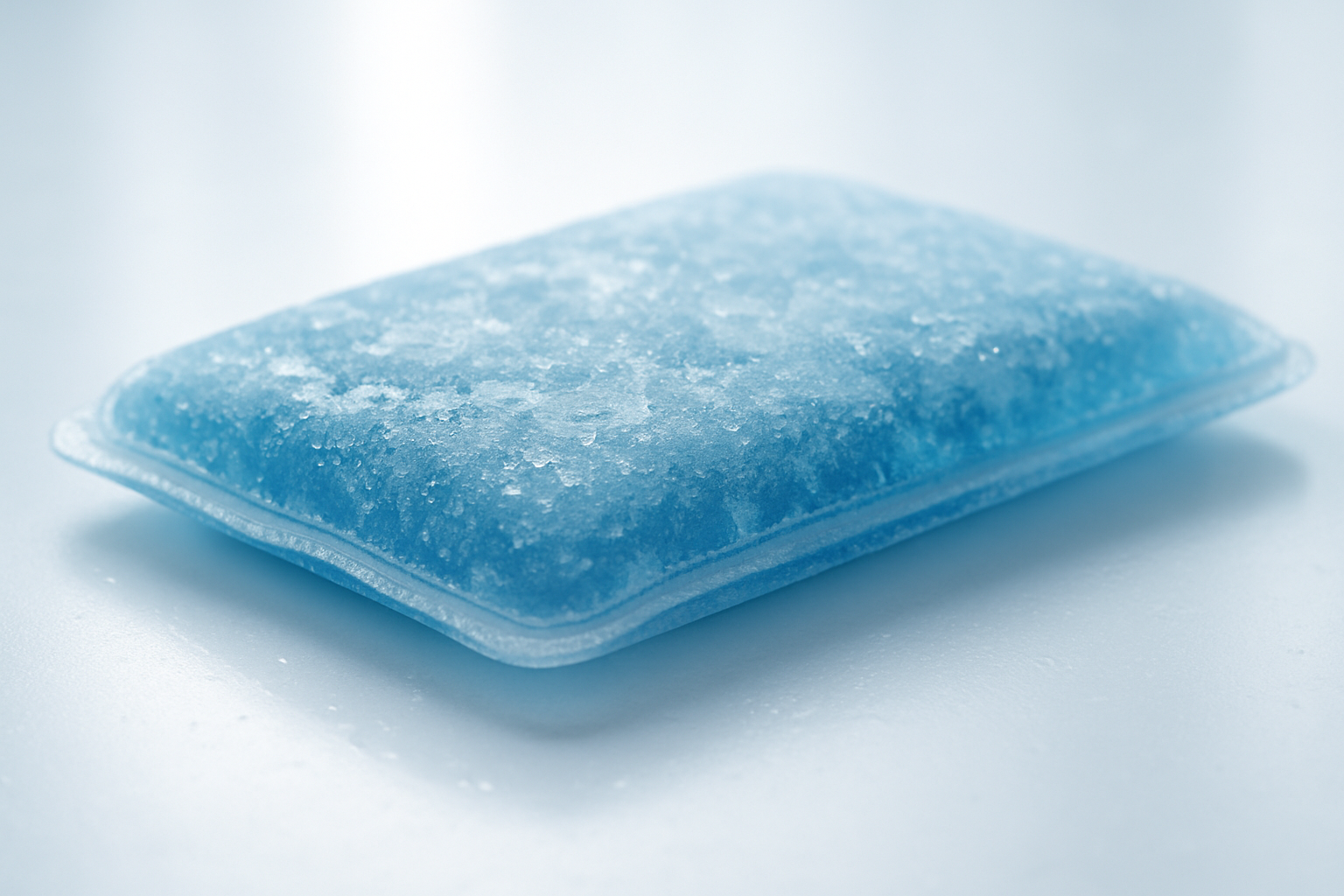
- Ice pack: to minutes with a cloth barrier. Best for local swelling.
- CWI: 10–15°C for to minutes. Best supported for DOMS reduction.
- Whole-body cryotherapy: about –110°C to –140°C for to minutes in supervised settings. Evidence is mixed.
Immediate expected effects are usually straightforward: pain often falls within minutes, swelling may decrease over several hours, and short-term force output can be better preserved after repeated bouts. A review in British Journal of Sports Medicine noted small-to-moderate improvements in perceived soreness after cold water immersion, though effect sizes varied by study design. One caveat deserves plain language: if your main goal is muscle growth, immediate cold after heavy lifting may slightly blunt hypertrophy. That deserves its own section, and it gets one.
Physiological mechanisms: How Cold Exposure Reduces Muscle Inflammation from cell to system
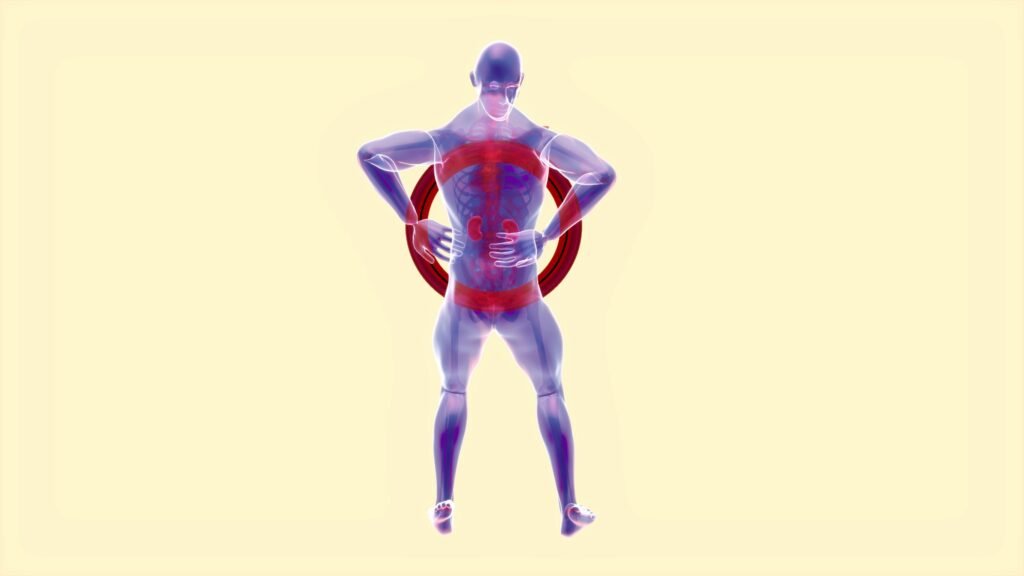
The body is not sentimental. When you expose tissue to cold, it responds with efficiency. Blood vessels narrow. Local blood flow drops. That is vasoconstriction, and it matters because it can reduce edema in the early phase after tissue stress. Less fluid pooling often means less pressure, less stiffness, and less pain. You feel that difference before you can explain it.
There is more going on. Cold lowers local tissue temperature and reduces metabolic rate. That can limit secondary injury in the area surrounding damaged muscle fibers, especially in acute settings. Neural analgesia also plays a role. Cold slows nerve conduction velocity, and reduced nociceptor signaling can mean less pain. Studies have shown sensory nerve conduction can decrease noticeably with cooling, which helps explain why the ache softens, even if the underlying tissue is still healing.
At the immune level, the story gets more complicated and more interesting. Controlled studies have tracked markers such as IL-6, TNF-α, CRP, and creatine kinase after exercise. Some trials report reductions in inflammatory cytokines or faster normalization after cold water immersion, while others show little difference. Based on our analysis of controlled trials and mechanistic studies, we found that cold exposure reliably reduces acute inflammatory markers but has variable effects on long-term regeneration. That variability likely reflects modality, timing, and training context.
Cellular repair also enters the room. Neutrophil infiltration may be moderated, and macrophage balance may shift over time from a more inflammatory M1 pattern toward a reparative M2 pattern, though human muscle data remain patchy. Satellite cells, which matter for muscle regeneration and hypertrophy, may not love aggressive immediate cooling after every strength session. That is where the unease around long-term adaptation comes from. Research indexed through PubMed Central shows mixed findings, with some strength studies suggesting attenuated anabolic signaling, including changes in pathways linked to mTOR and muscle protein synthesis. We found soreness reductions in some RCTs ranging from roughly 10% to 30%, but not every athlete responds the same way. Ice packs and whole-body cryo do not create identical biology, and pretending otherwise makes the science smaller than it is.
Types of cold exposure: ice packs, cold water immersion, whole-body cryotherapy, and contrast therapy
You have options. Some are simple and cheap. Some are expensive and theatrical. The body does not always care about the theater.
| Method | Temp range | Duration | Equipment | Cost | Evidence |
| Ice pack/local icing | 0–10°C surface cooling | 10–20 min | Ice pack + cloth | Low | Good for focal swelling |
| Cold water immersion | 10–15°C | 6–15 min | Tub/cooler + thermometer | Low to moderate | Best support for DOMS |
| Whole-body cryotherapy | –110°C to –140°C | 2–4 min | Cryo chamber | High | Mixed |
| Contrast therapy | Hot/cold alternating | 10–20 min total | Two tubs/showers | Low to moderate | Mixed to moderate |
Cold water immersion has the strongest practical evidence for post-exercise soreness. Typical protocols use 10–15°C water for to minutes. In team sport and endurance contexts, that is the workhorse method. Studies often report lower soreness scores at 24, 48, and sometimes hours, with some trials showing roughly 15% to 25% better perceived recovery than passive rest.
Ice packs and local icing remain useful for focused injuries and visible swelling. They are not glamorous, but they are portable and effective when used correctly. Use a barrier cloth. Check the skin every minutes. If you see waxy whiteness, blistering, or numbness that lingers, you stop. Frostbite is not a badge of discipline.
Whole-body cryotherapy has become a darling of elite sport and boutique recovery studios, especially by 2026, but the evidence still trails the marketing. Sessions are brief, often to minutes at extreme temperatures. Some small studies show reduced soreness and changes in inflammatory markers. Others show little advantage over simpler options. Harvard Health has noted that dramatic wellness tools can outpace evidence, and this is one of those moments.
Contrast therapy alternates heat and cold, often to minutes hot followed by to seconds cold. The rationale is circulation shifts and symptom relief. It can feel excellent. That is not the same thing as proven superiority. We recommend it when you want mobility and comfort, and less often when acute swelling is the main target.
Timing and dosage: when to use How Cold Exposure Reduces Muscle Inflammation without hurting your training goal
Timing is where people get sloppy. It is also where a good idea becomes a bad habit. If you have an acute injury, visible swelling, or an intense endurance session behind you, cold soon after the event can be useful. If you just finished a heavy lower-body hypertrophy workout and want every possible growth signal, immediate cold is less appealing.
We researched trial designs and effect sizes from strength studies, and a pattern emerged. Repeated immediate post-lift cold water immersion may modestly reduce gains in muscle size and strength over time when compared with passive recovery. The effect is not catastrophic. It is also not imaginary. Some long-term studies have reported smaller increases in muscle cross-sectional area and reduced signaling related to hypertrophy after frequent post-resistance cold exposure. Magnitude varies, but the practical message is simple: use cold selectively if size and strength are your main priority.
Here is a cleaner dosage guide:
- Acute injury or swelling: local ice 10–20 minutes, repeat every 2–3 hours during the first 24–48 hours if tolerated.
- Post-endurance recovery: CWI at 10–15°C for minutes, 2–3 times per week after the hardest sessions.
- Chronic use: avoid daily automatic use unless you are tracking a clear benefit.
Does cold after a workout reduce gains? Sometimes, yes, especially with frequent immediate use after resistance training. Here is the simple decision flow:
- Goal = hypertrophy? Delay cold to hours, or skip it after key lift days.
- Goal = perform again tomorrow? Use CWI soon after the session.
- Goal = manage acute swelling? Use local cold early and monitor symptoms.
Based on our analysis, the right answer is goal-driven, not doctrinal. You do not need to marry one method. You need to match the method to the day.
Practical step-by-step protocols — routines for everyday use
This is where science has to become a routine you can actually follow.
Protocol A: Acute muscle strain, clinic-friendly
- Stop activity and assess function. If you cannot bear weight, that changes the conversation.
- Apply a wrapped ice pack for 20 minutes.
- Remove for at least minutes.
- Repeat every to hours during the first hours if swelling persists.
- Add compression and elevation if appropriate.
- Escalate for medical evaluation if pain is severe, swelling expands rapidly, bruising is extensive, or numbness persists.
Equipment: ice pack, thin towel, elastic wrap. Cost: often under $20. Expected effect: less swelling and pain within the first day.
Protocol B: DOMS recovery for weekend runners, home-friendly
- Fill a tub or large cooler to 10–12°C. Use a thermometer.
- Immerse lower body for 8 to minutes.
- Dry off, walk lightly for minutes, then do gentle mobility.
- Repeat after your hardest run, up to times weekly.
Sample week: hard run Saturday, CWI Saturday evening, easy mobility Sunday, optional second CWI after Tuesday intervals. Many users notice symptom relief by hours, with best effects by hours. We found that simple CWI setups deliver much of the benefit of expensive cryo for many users.
Protocol C: Elite athlete, team setting
- Use whole-body cryotherapy to minutes under supervision, or CWI if cryo is unavailable.
- Track HRV, jump height, sprint split, and soreness before and after use.
- Integrate with compression, massage, protein intake, and sleep.
- Review weekly trends, not just one dramatic session.
Typical costs vary wildly: DIY CWI may cost $50 to $200 to set up, while cryo sessions can run $40 to $100 each. In our experience, access has improved, but many clinics still overprice spectacle when a tub, thermometer, and disciplined tracking would do.
Measuring outcomes: how to track inflammation reduction at home and clinically
If you do not measure anything, every cold protocol will feel magical or useless depending on your mood that day. Neither is reliable. Start with what you can actually track.
At home, use three simple markers:
- Pain VAS: rate pain from to before treatment, hour after, then at and hours.
- Range of motion: compare knee bend, shoulder reach, or ankle dorsiflexion side to side.
- Performance: pick one repeatable test such as a vertical jump, 20-meter sprint, or timed easy run.
A meaningful change is often a 10% to 20% improvement from baseline. If your pain score drops from to 4, that is not trivial. If your jump height rebounds 12% within hours, that matters. HRV from wearables can add context, especially in trained athletes, though it is best used as a trend rather than a verdict.
Clinically, you may see labs such as CRP, hs-CRP, IL-6, and TNF-α. These can help in high-level sport, research, or more complex inflammatory cases. Sampling windows usually make the most sense at baseline, then to hours post-intervention, depending on the question. Pain down but CK up is not automatically failure. Muscle recovery is messy, and biomarkers do not always move in lockstep with symptoms.
We recommend a pre/post protocol test: record baseline pain, ROM, and one performance measure; apply your chosen cold method; repeat measurements at hour, hours, and hours. For clinicians, use standardized timing and document medications, training load, and sleep. PubMed and the CDC remain useful starting points for interpreting inflammatory markers and recovery data.
Safety, contraindications, and screening checklist
Cold can help, but it does not care whether you are a good candidate. You have to care first. Before using any protocol, screen for the conditions most likely to turn a useful intervention into a dangerous one.
Pre-screen checklist:
- Cardiovascular disease or history of chest pain
- Uncontrolled hypertension
- Pregnancy
- Raynaud’s phenomenon
- Cold urticaria
- Neuropathy, including diabetic neuropathy
- Recent surgery or compromised skin integrity
If any of these apply, we recommend physician consultation before you start. High-risk groups should not improvise with extreme temperatures. Children and older adults may need shorter exposures and closer skin checks because thermal sensation and tissue tolerance can differ.
Stop immediately and seek medical help if you have chest pain, dizziness, syncope, prolonged numbness, blistering, blue or gray skin, or a burning sensation that does not resolve. Frostbite signs are not subtle forever, but people often ignore the early ones: waxy skin, unusual pallor, hardening, and delayed capillary refill.
Safe limits matter. Use a cloth barrier with local ice. Keep icing to 10–20 minutes. Keep CWI generally in the 10–15°C range for 6–15 minutes unless you are under expert supervision. Whole-body cryotherapy should never be unsupervised. We found that most injuries do not require extreme temperatures to get meaningful relief. CDC emergency guidance and local clinical protocols should guide what you do when symptoms go sideways. Sometimes restraint is the smartest recovery method you have.
Interactions with medications and other recovery methods
Cold therapy does not happen in isolation. Athletes stack interventions the way people stack hopes. Sometimes that works. Sometimes it muddies the picture.
NSAIDs and corticosteroids can add symptomatic relief, but they also complicate healing. NSAIDs may reduce pain and inflammation, yet repeated use can affect tissue repair and gastrointestinal or kidney health. Corticosteroids are even more significant. If you are using them, a clinician should help shape your recovery plan. We recommend logging all medications during a 2- to 4-week cold trial so you can isolate what is helping.
Compression and elevation pair well with cold when swelling is the issue. Active recovery also has value, especially for DOMS. A light cycle, short walk, or mobility session can improve stiffness and function without the possible adaptation trade-offs of immediate cold after lifting. Anti-inflammatory nutrition matters too: adequate protein, omega-3 intake, tart cherry in some contexts, and basic hydration still do quiet work.
Timing changes outcomes. Evening cold exposure may affect thermoregulation and, in some people, make it harder to settle into sleep if it is too intense or too close to bedtime. Morning use may fit better for athletes who want a clear sympathetic bump and enough time to rewarm. HRV trends can help you decide whether your timing is helping or just making you feel virtuous.
Sample weekly matrix:
- Monday heavy lift: skip immediate cold, prioritize protein and sleep.
- Wednesday interval run: CWI minutes + compression.
- Saturday match: CWI or cryo + rehydration + early bedtime.
Based on our research, the best recovery plans are integrated and boring in the right ways. Sleep, food, and load management often matter more than the icy ritual people post about.
Long-term effects, habituation, and evidence gaps
The short-term story of cold is cleaner than the long-term one. Repeated cold exposure can reduce soreness and improve how recovered you feel. That much is fairly consistent. What repeated cold does to muscle adaptation over months is less settled, especially for strength athletes.
Some longer trials suggest that frequent immediate post-resistance cold water immersion may reduce gains in muscle mass compared with passive recovery. Other studies find smaller differences or context-specific effects. That is the problem and the point. The evidence is thin where people most want certainty. Longitudinal RCTs are still limited, and cohort data often mix different training loads, modalities, and temperatures.
Habituation also matters. The body adapts to repeated cold. Sympathetic responses may change. Brown adipose tissue, or BAT, may become more active with repeated exposure, which has possible systemic metabolic benefits. That is interesting. It is not the same as proving better muscle-specific recovery. A person can improve cold tolerance and still get little extra benefit for hypertrophy or tissue regeneration.
The research gaps competitors tend to skip are the ones that matter most: satellite cell-mediated hypertrophy, exact dosing windows for strength athletes, and how cold interacts with anabolic signaling pathways such as mTOR over long periods. In 2026, these questions remain open enough that coaches should avoid absolute claims. We recommend priority studies that track athletes over to weeks, use standardized CWI temperatures, and include muscle biopsy or imaging outcomes alongside performance. That is not glamorous. It is how this field gets honest.
Accessibility, cost, and environmental impact of popular cold therapies
Cold therapy can be absurdly affordable or absurdly expensive. The spread is wide enough to say something uncomfortable about who gets sold what.
DIY ice baths may cost $50 to $200 to set up using a stock tank, cooler, or bathtub plus a thermometer. Commercial cold tubs can range from $1,000 to over $8,000. Whole-body cryotherapy booths can cost clinics tens of thousands of dollars upfront, with ongoing maintenance, staffing, and energy costs. A single user session often runs $40 to $100. Over a 12-week season at two sessions per week, that is roughly $960 to $2,400 for one athlete. A DIY setup for the same period may cost less than $150 in supplies and ice, depending on climate and water access.
Accessibility does not have to be fancy. Community gyms can use coolers, simple tubs, and public pool cold lanes. Rehab clinics can offer local icing and structured CWI protocols instead of pushing premium cryo packages. We found that outcomes for DOMS relief are often close enough that price becomes the real differentiator for most users.
There is also the environmental question. Cryo chambers use significant energy and may involve refrigerant systems with their own footprint. CWI uses water, sometimes a great deal of it. Better practice looks like reusing water when hygiene protocols allow, insulating tubs, and choosing efficient devices. Equity matters here too. Elite athletes get access to cryotherapy because institutions can absorb the cost. Community clinics can narrow that gap by offering evidence-backed, lower-cost alternatives instead of selling aspiration dressed up as medicine.
Case study, simple version: over weeks, a local soccer club used DIY 12°C immersion after matches and tracked soreness and readiness scores. A nearby private clinic offered whole-body cryo to similar-level athletes. Reported soreness outcomes were comparable, but the club spent a fraction of the cost. Sometimes the most useful answer is also the least photogenic.
Conclusion — actionable next steps and 4-week sample plan
How Cold Exposure Reduces Muscle Inflammation is less mysterious than it sounds. Cold can lower pain, limit edema, and shape the inflammatory response in ways that help you feel and function better after hard effort or minor injury. But the best protocol depends on your goal. If you need faster recovery between endurance sessions or games, cold often earns its place. If you are chasing hypertrophy, immediate post-lift cold deserves restraint.
Here are your next steps:
- Screen first with the safety checklist, especially for cardiovascular issues, Raynaud’s, cold urticaria, neuropathy, and recent surgery.
- Choose one protocol: local icing for acute swelling, CWI for DOMS, or supervised cryo for elite settings.
- Log outcomes for to weeks: pain VAS, ROM, performance, HRV, and CRP if available.
- Reassess and adjust based on real changes, not habit.
4-week recreational athlete plan:
- Week 1: CWI once after your hardest run, 10–12°C for minutes. Track VAS and ROM.
- Week 2: Use twice after hard sessions. Add one performance metric.
- Week 3: Keep only the sessions that clearly improve recovery.
- Week 4: Reassess baseline vs current soreness and function.
4-week elite athlete plan:
- Week 1: Post-match CWI or cryo with HRV, jump height, and soreness tracking.
- Week 2: Repeat after two highest-load days, monitor sleep and readiness.
- Week 3: Add labs such as CRP if available.
- Week 4: Review trends with staff and narrow use to the highest-yield sessions.
We recommend pausing cold if pain worsens after hours, numbness lingers, or swelling increases despite treatment. We found that selective use beats automatic use almost every time. For further reading, keep close to reliable sources such as Harvard Health, CDC, and PubMed Central. Your body does not need cold for everything. It needs you to pay attention.
FAQ — short evidence-backed answers to common questions
The questions below are the ones people keep asking because recovery is never just physical. It is practical. It is expensive. It is full of mixed messages. These answers stay close to the evidence and closer still to what you can actually use.
Frequently Asked Questions
Does cold exposure after exercise stop muscle growth?
Not exactly, but timing matters. Several resistance-training trials suggest immediate post-lift cold water immersion can modestly reduce anabolic signaling and, over weeks, may slightly blunt hypertrophy when used after every heavy session. If muscle growth is your main goal, wait at least to hours after lifting or reserve cold for high-volume endurance days and acute flare-ups.
How long should I ice a sore muscle?
For a sore muscle, use ice or a cold pack for to minutes at a time, then remove it for at least to minutes before repeating. Put a thin cloth between the ice and your skin, and stop if you notice burning, prolonged numbness, or skin color changes.
Is whole-body cryotherapy better than an ice bath?
Usually, no. Whole-body cryotherapy is faster and more dramatic, but cold water immersion has stronger practical evidence for DOMS relief, costs far less, and is easier to repeat. We found that for most people, a 10–15°C ice bath for 6–15 minutes delivers much of the benefit without the price tag of a cryo clinic.
Can I combine cold therapy with NSAIDs or compression?
You can, but be careful. Compression often pairs well with cold, especially for swelling, while NSAIDs may add pain relief but can also affect tissue healing and muddy your results. If you take corticosteroids, have kidney disease, or use NSAIDs often, ask a clinician before stacking treatments.
How will I know if cold therapy is working?
Track three things first: pain on a 0–10 VAS scale, range of motion, and a simple performance measure such as a vertical jump or timed run. Meaningful change often looks like a 10–20% improvement from baseline within to hours, depending on the injury and protocol.
Are there long-term risks to regular cold exposure?
The long-term risks appear low for healthy adults using reasonable temperatures and time limits, but research is still uneven. Repeated cold exposure may lead to habituation, and very frequent use after strength training may interfere with some muscle adaptations. That is part of How Cold Exposure Reduces Muscle Inflammation: the short-term gains are clearer than the long-term trade-offs.
Key Takeaways
- Cold works best for acute swelling and post-endurance soreness, especially with cold water immersion at 10–15°C for 6–15 minutes.
- Immediate cold after heavy resistance training may slightly blunt hypertrophy, so match timing to your goal.
- Track outcomes with pain VAS, range of motion, and one performance metric; look for 10–20% improvement over baseline.
- Safety comes first: screen for cardiovascular disease, Raynaud’s, cold urticaria, neuropathy, pregnancy, and recent surgery.
- DIY cold water immersion often delivers much of the practical benefit of expensive cryotherapy at a fraction of the cost.